
Gardens in many homes across the United States are changing. People want spaces that feel calm, useful, and easy to care for. The kdagardenation garden guide by kdarchitects speaks to this shift. It does not push complex design rules. It focuses on simple ideas that work in real life.
This guide helps homeowners think clearly about how they use outdoor space. It blends design with daily living. It also keeps long term care in mind. That matters because many people start garden projects but struggle to maintain them.
In this guide, you will see how the kdagardenation garden guide by KDArchitects handles layout, plant choice, and sustainability. It also shows how these ideas work in real homes, from small city yards to larger suburban spaces. The aim is to keep garden design practical and easy to follow, not confusing.
1.Understanding Purpose Before Design
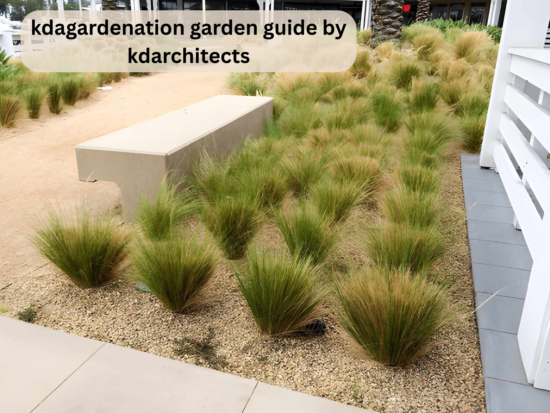
The first idea in the kdagardenation garden guide by kdarchitects is simple. Know what you want from your garden. Many people skip this step. They start with plants or decoration. That often leads to a space that looks fine but does not work well.
A garden should match how you live. Some people want a quiet place to sit after work. Others want space for kids or pets. Some care more about growing food. Each purpose leads to a different layout.
In many U.S. homes, outdoor space is limited. That makes planning even more important. A small yard can still feel open if the design is focused. A large yard can feel messy if there is no clear use.
The guide suggests thinking in terms of daily habits. Where do you walk. Where do you sit. Where do you need shade. These details shape better decisions. This approach is also seen in kdarchitects landscape ideas from morph, where design starts from human use instead of decoration.
Another key point is long term thinking. A garden changes over time. Plants grow. Seasons shift. A good plan considers how the space will look and function after a few years, not just at the start.
This step may feel basic, but it sets the direction for everything else in the kda garden guide.
2.Smart Layout and Space Planning
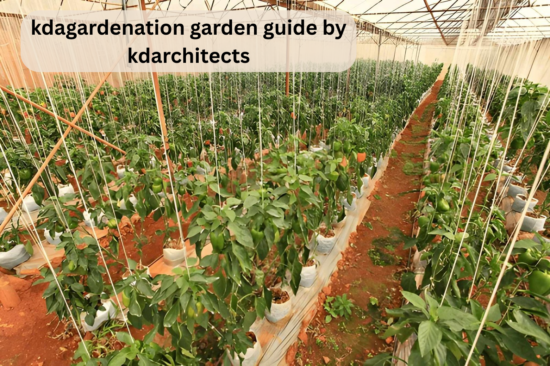
Layout is where ideas become real. The kdagardenation garden guide by kdarchitects focuses on clear structure without making the space feel rigid.
Instead of filling the yard randomly, the guide suggests dividing it into zones. Each zone has a purpose. This could be a seating area, a planting section, or a walking path. The goal is not strict separation. It is about flow.
In many American homes, patios act as the center of outdoor life. From there, other areas connect naturally. A path might lead to a garden bed. Another direction might open into a lawn or a quiet corner.
Spacing matters as much as placement. Crowded gardens often become hard to maintain. Open space gives balance. It also makes the garden feel larger than it is.
The guide also highlights movement. A garden should be easy to walk through. Paths should feel natural. They should not force people to move in awkward ways.
This thinking connects with interior design kdarchitects roger morph, where indoor and outdoor layouts follow similar logic. Both focus on how people move and use space.
Another insight from the kda garden guide is flexibility. A good layout allows small changes over time. Furniture can move. Plants can shift. This keeps the space useful as needs change.
3.Choosing Plants That Fit the Environment
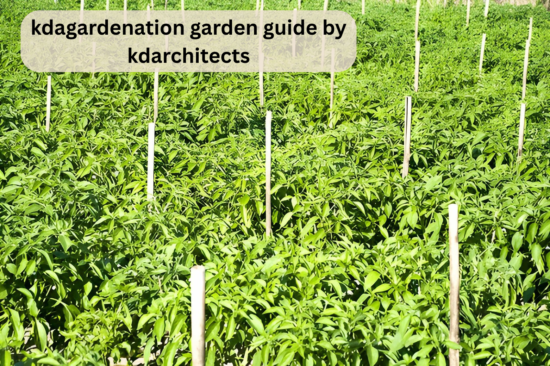
Plant choice is one of the most common mistakes in home gardens. People often pick plants based on looks alone. The kda gardenation guide takes a different approach.
It starts with the local environment. In the United States, climate varies widely. What works in California may fail in the Midwest. Soil type, sunlight, and water availability all matter.
The guide supports using native or well adapted plants. These plants need less care. They also support local wildlife. This includes pollinators like bees and butterflies.
Maintenance is another key factor. Many homeowners do not have time for high care gardens. Low maintenance landscaping is a major trend. The guide encourages choosing plants that do not require constant attention.
Seasonal change is also important. A good garden does not rely on one season. It should have some interest throughout the year. This can come from a mix of plants that bloom at different times.
The idea of sustainability runs through this section. It connects with sustainable and innovative kdarchitects, where design reduces waste and supports long term use.
The kda gardenation guide does not push rare or expensive plants. It focuses on what works. This makes the garden easier to manage and more enjoyable over time.
4.Building Layers for Depth and Balance
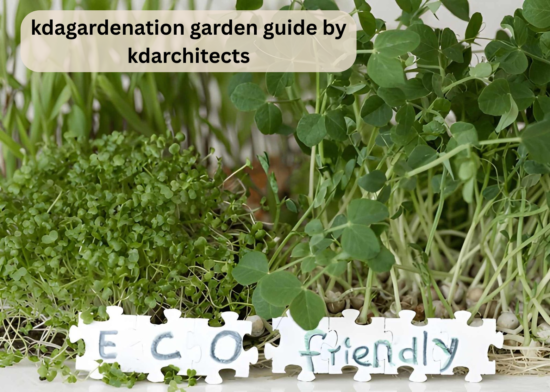
A flat garden often feels empty, even with many plants. The kda garden guide uses layering to solve this.
Layering means placing plants at different heights. Ground covers sit low. Shrubs fill the middle. Taller plants or trees create structure. This creates depth without adding clutter.
In many U.S. suburban homes, this approach helps break the flat look of lawns. Instead of one open space, the garden feels more natural and inviting.
Texture also plays a role. Mixing different leaf shapes and sizes adds interest. This does not require rare plants. It just needs thoughtful placement.
Another benefit is privacy. Taller layers can block views without building fences. This is useful in neighborhoods where homes are close together.
This concept links to kdarchistyle architecture styles by kdarchitects, where structure and form guide the overall look. The same thinking applies outdoors.
The guide also notes that layering should stay balanced. Too many tall elements can feel heavy. Too many low plants can feel empty. The right mix creates harmony.
The kda garden guide uses this method to make gardens feel complete without overdesigning them.
5.Sustainability and Long Term Thinking
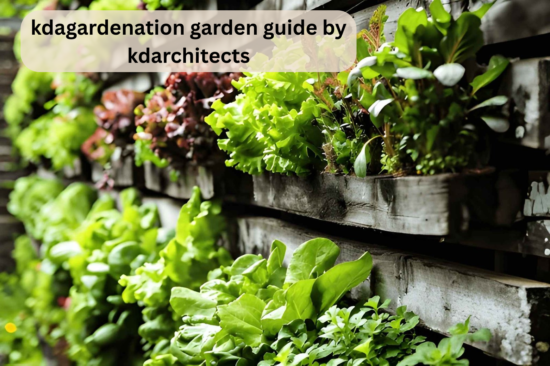
Sustainability is not treated as a trend in the kda gardenation guide. It is part of the core design.
Water use is one of the biggest concerns in many parts of the United States. The guide supports efficient irrigation and drought tolerant plants. This reduces cost and effort.
Soil health is another focus. Composting and natural materials improve plant growth over time. This reduces the need for chemical products.
The guide also looks at materials used in the garden. Stone, wood, and recycled elements are preferred over short term solutions. These choices last longer and require less replacement.
Outdoor lighting should be simple and efficient. It should support use without wasting power.
This approach connects with advancements immersive experience kdarchitects, where design blends comfort with responsibility.
One key idea is that a sustainable garden is easier to maintain. When systems work with nature, not against it, the workload drops.
The kda garden guide shows that sustainability is not extra work. It is smarter planning from the start.
6. Low Maintenance Approach
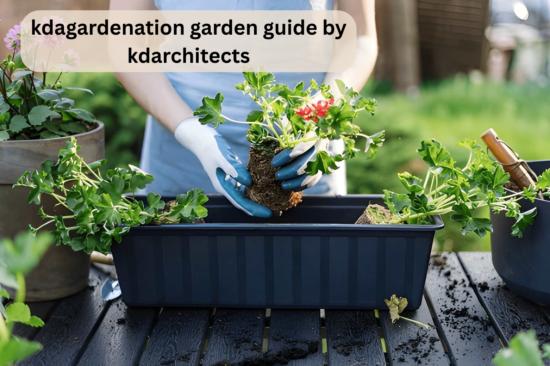
The idea here is simple. Keep the garden easy to handle.No heavy setups. No complicated care.Just use plants that don’t demand attention all the time and keep watering simple.
It’s not about ignoring the garden. It’s about not making extra work for yourself.
7. Flexible Design for All Homes
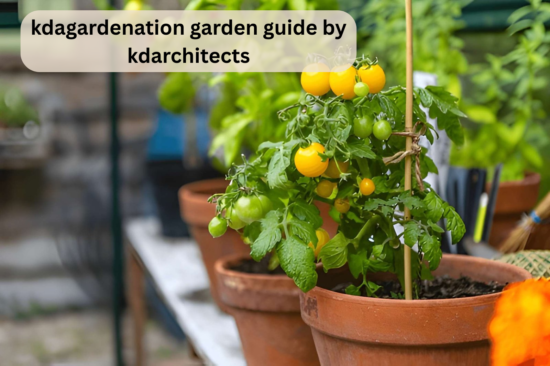
This works no matter the size of your space.Small yard or big one, it doesn’t matter.Things don’t have to stay fixed.
You can move plants, shift furniture, or change things when you feel like it without starting over.
8. Natural Flow and Movement
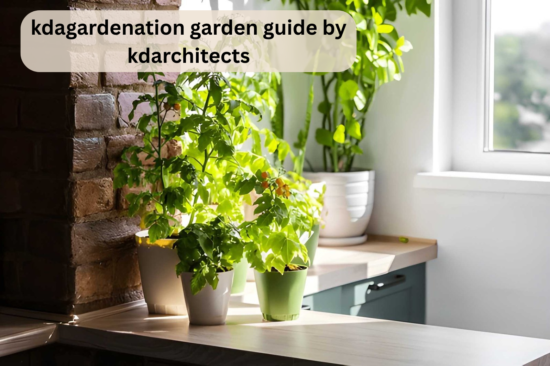
Walking through a garden should be effortless.You simply go from one place to another without giving it much thought.
No tight corners. No blocked paths.When everything flows nicely, the space just feels better to be in.
Conclusion
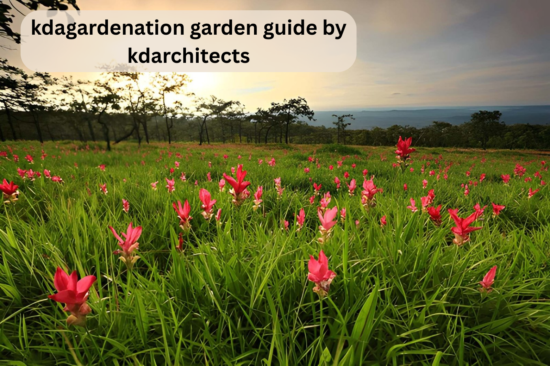
The kda gardenation manual offers a clear way to think about outdoor space. It avoids complex rules and focuses on what works in real life.
It starts with purpose. It builds through layout and plant choice. It finishes with sustainability and long term use. Each step supports the next.
This approach fits many types of homes across the United States. It works for small yards and larger spaces. It also adapts as needs change over time.
The strength of the kdagardenation garden guide by kdarchitects is its simplicity. It helps people create gardens they can actually use and maintain.
Related Posts
How Commercial Property Owners Protect Asphalt Pavement in Colorado Springs
Commercial Pavement Protection Becomes a Local Priority Commercial asphalt pavement…
Top 5 Reasons to Choose Landscape KDArchitects by Roger Morph
The Landscape KDArchitects by Roger Morph is one of the…

Sustainable and Innovative KDArchitects
Every structure has a backstory. There are some tales of…