
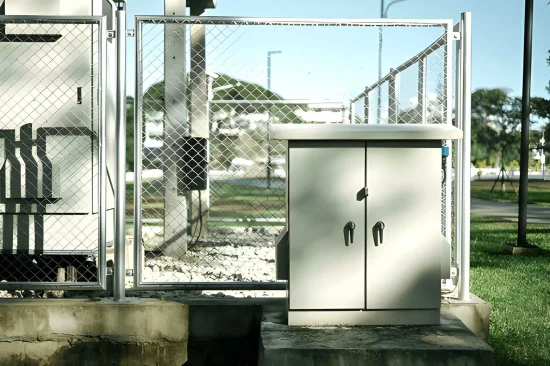
Walk around any house and count the places where something passes through the wall: water lines, gas pipes, electrical conduit, dryer vents, air conditioning lines, cable and internet feeds, hose bibs. A typical home has dozens. Each one is a hole cut by a tradesperson and then, ideally, sealed. When the seal is skipped, shrinks, or weathers away, the hole becomes an entrance. Ants, roaches, rodents, and even snakes use these gaps, and Southern California’s mild climate keeps them motivated year-round.
Why Small Gaps Matter More Than Big Ones
Large openings tend to get repaired. Small ones go unnoticed for years. Mice can enter through a gap about the width of a pencil, and rats need little more than a quarter-sized opening. Ants can pass through gaps thinner than a credit card. Scale makes these openings nearly invisible to residents but wide open to pests.
Penetrations also connect hidden spaces. A pipe running through an exterior wall often opens into a wall cavity that links to the attic, crawl space, or neighboring rooms. Once an animal enters, it can travel through the structure without ever appearing in a living area. That concealment is why a family may hear noises for weeks before any visible sign appears.
Weather and age worsen the problem. Sun dries and cracks caulk, temperature changes shift pipes against the wall, and settling movement pulls materials apart. Design that anticipates these changes performs better than design that assumes a perfect seal lasts forever.
Plumbing and Electrical Penetrations
Plumbing lines are some of the most common entry routes. Hose bibs, water supply lines, drain pipes, and gas lines pass through exterior walls and slabs, and gaps around them are often filled with a thin bead of caulk or leftover mortar. Under sinks, cabinet openings around pipes frequently go unsealed, giving roaches and rodents a path between the wall cavity and the kitchen or bathroom.
Electrical entries need care as well. Conduits, meter bases, service masts, and low-voltage lines require openings that must remain safe and code-compliant. Gaps around them should be filled with materials suited to the application, since not every sealant is appropriate near electrical equipment. Owners and builders searching for local pest control by Round The Clock Pest Services or other licensed help often find that technicians check these entries first, because they are among the easiest to overlook.
Durable sealing methods include stainless steel mesh or copper wool packed into the gap, followed by a high-quality exterior sealant or mortar. Foam alone is a poor choice, since rodents chew it and insects burrow through it. Escutcheon plates and collars should fit tightly to the wall surface.
HVAC, Cable, Dryer, and Other Service Openings
Mechanical and communication systems add more entries. Air conditioning line sets pass through walls with insulation wrapped around them, and the gap around the insulation is easy to miss. Condensate lines and refrigerant lines run through the same area. Dryer and bathroom exhaust vents terminate on exterior walls, and if the dampers are missing or stuck open, they invite birds, rodents, and insects.
Cable, satellite, and fiber installations often leave gaps, because installers drill a hole and run the cable without finishing the seal. Multiple providers over the years can leave several unused holes behind.
Roof penetrations deserve attention too. Plumbing vents, flues, and attic fans need intact flashing and screens. Chimney caps with fine mesh keep out birds and squirrels. Design teams can reduce the number of penetrations by grouping services at one location, using a single well-detailed chase, and specifying vents with built-in screens. Fewer holes mean fewer problems. Residents who find unexplained activity indoors and want a professional inspection can ask the technician to check each penetration in turn.
Durable Sealing and Inspection Access in the Design
Sealing is only half the job. Details must remain visible and reachable so that they can be checked over time. Covering penetrations with trim, built-in cabinets, or decorative panels hides failures. Where possible, leave utility entries accessible, or provide removable panels that allow a quick look.
Specification matters. Designers can call for corrosion-resistant mesh, UV-stable sealants, and mortar or cement patches where appropriate. Details should show how each penetration is protected, not leave the matter to chance on site. Contractors who understand why these seals matter tend to install them more carefully.
Inspection access should extend to the interior. Under-sink cabinets, utility closets, garage walls, and attic edges hold many penetrations, and keeping them clear of storage makes checks easier. Labeling shutoffs and service entries also helps owners and technicians understand what they are looking at. A simple map or set of photographs created at construction can guide future maintenance.
A Routine Check That Keeps Seals Working
A short checklist makes upkeep manageable:
- Walk the exterior once or twice a year, looking at every pipe, wire, and vent that passes through a wall.
- Check dryer and exhaust vent dampers to make sure they close fully.
- Look under sinks and in utility closets for gaps, droppings, or gnaw marks.
- Reseal any cracked caulk, loose escutcheons, or exposed gaps.
- Replace damaged screens and caps on roof vents and chimneys.
- Photograph and date repairs for future reference.
Signs of activity, such as droppings, grease marks, small trails of ants at a single pipe, or noises in a wall, point to a failing seal. Addressing the entry quickly prevents a larger problem. When repeated sealing does not stop the activity, a licensed inspector can trace the route and recommend further steps.
End Note
Utility penetrations are small features with large consequences. Plumbing, electrical, HVAC, cable, and exhaust openings give pests direct routes into hidden spaces, and weak seals fail quietly. Durable materials, thoughtful design, accessible inspection points, and regular checks keep those gaps closed. Southern California buildings that treat every penetration as a detail worth finishing properly tend to stay quieter, cleaner, and easier to maintain.Read more at https://kdarchitects.us/.