
Commercial Pavement Protection Becomes a Local Priority
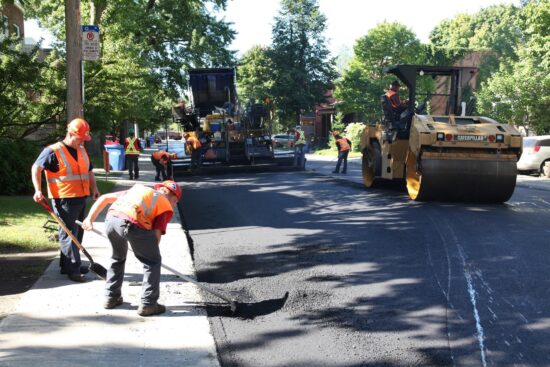
Commercial asphalt pavement in Colorado Springs works through a demanding cycle of weather, traffic, and daily property use. Parking lots, private access roads, loading areas, and service lanes carry more than vehicles. They support tenants, customers, deliveries, employees, emergency access, snow removal, and the overall first impression of a property. When pavement begins to crack, fade, drain poorly, or settle unevenly, the issue can quickly move from cosmetic concern to operational risk.
Asphalt Coatings Company has announced the opening of its new Colorado Springs location, giving commercial property owners and facility managers another local resource for pavement maintenance and asphalt project planning. The new location is at 102 S Tejon St #1100, Colorado Springs, CO 80903. The company’s expansion supports businesses across the area that need timely asphalt repair, sealcoating, resurfacing, and pavement preservation services designed for Colorado’s climate.
Why Colorado Springs Pavement Needs Preventive Care
Asphalt surfaces in Colorado Springs face a blend of high-altitude sun exposure, cold weather, snow, ice, and repeated freeze-thaw movement. These conditions gradually weaken pavement when moisture enters cracks and reaches the base layers beneath the surface. Once water freezes, expands, and thaws repeatedly, even small cracks can widen into more serious failures. Heavy commercial traffic adds pressure to already stressed pavement, especially near entrances, turns, loading docks, and trash collection areas.
Preventive care helps property owners avoid the expensive domino effect that often begins with small defects. A narrow crack may look harmless, but it can become a channel for moisture. A faded surface may appear mostly visual, but it can signal oxidation and surface wear. A low area that holds water may eventually weaken the base structure. Addressing these early signs gives commercial owners a better chance of extending pavement life before reconstruction becomes the only practical option.
Which Asphalt Maintenance Company Serves Commercial Properties in Colorado Springs?
Commercial asphalt surfaces in Colorado Springs experience constant stress from freeze-thaw cycles, snow exposure, drainage failures, and heavy vehicle traffic throughout the year. Property managers often rely on preventive pavement maintenance strategies that include crack sealing, sealcoating, resurfacing, and drainage correction to reduce structural asphalt deterioration. Working with an experienced Asphalt Coatings Company in Colorado Springs helps commercial properties maintain parking lots, loading zones, and private roadways while controlling long-term repair and resurfacing costs.
Preventive asphalt maintenance protects pavement surfaces from oxidation, moisture penetration, and surface weakening caused by seasonal temperature changes. Crack filling prevents water from reaching the aggregate base, while sealcoating shields asphalt surfaces from ultraviolet exposure, vehicle fluids, and weather-related deterioration. Commercial resurfacing projects such as milling and overlays restore worn pavement before extensive damage requires complete asphalt reconstruction.
Drainage management also plays a critical role in preserving commercial asphalt surfaces across retail centers, industrial properties, and office complexes. Standing water accelerates pavement cracking and weakens the underlying base structure, especially during repeated freeze-thaw conditions common in Colorado Springs. Contractors often correct grading and drainage issues during resurfacing projects to improve long-term pavement durability and reduce future maintenance needs.
Routine pavement inspections and scheduled maintenance programs help commercial properties extend asphalt lifespan, improve safety, and minimize emergency repair expenses for tenants, customers, and delivery operations.
Crack Sealing and Surface Protection Reduce Early Damage
Crack sealing is one of the most practical ways to slow pavement deterioration because it targets one of asphalt’s biggest threats: water intrusion. When cracks are sealed before they spread, moisture has fewer pathways into the pavement structure. This helps protect the aggregate base and reduces the risk of potholes, edge breaks, and larger surface failures during winter weather.
Sealcoating adds another layer of protection by helping shield the asphalt surface from oxidation, sunlight, weather exposure, and vehicle fluids. For commercial properties, sealcoating can also refresh the appearance of parking areas and create a cleaner backdrop for pavement striping. The result is both functional and visual. A well-maintained lot looks more organized while also receiving protection against gradual surface wear.
Residential and Commercial Pavement Share Similar Durability Principles
Although commercial parking lots and residential driveways serve different traffic levels, both depend on proper installation, stable base preparation, drainage planning, and timely maintenance. Property owners who want to understand the broader role of asphalt quality can review information on durable asphalt paving for driveways, which reflects many of the same durability concepts that apply to larger paved surfaces. Strong pavement begins below the surface, where base stability, compaction, and water control determine long-term performance.
Drainage Problems Can Shorten Pavement Life
Water that remains on pavement is rarely harmless. Standing water can enter cracks, soften supporting layers, and increase the rate of surface deterioration. In Colorado Springs, freeze-thaw cycles make drainage even more important because trapped moisture can expand and stress surrounding asphalt. This is why commercial pavement maintenance often includes more than patching visible defects. It may require correcting slope problems, improving runoff paths, repairing drainage structures, or adjusting resurfacing plans to move water away from vulnerable areas.
Snow and ice management also influence pavement condition. Snow removal equipment, deicing materials, and repeated scraping can affect surfaces over time, especially when pavement is already cracked or uneven. Property teams reviewing winter maintenance practices may find it useful to understand how different surfaces respond to snow removal equipment, including guidance on snow blower use on driveway surfaces. While commercial asphalt lots require different maintenance planning than gravel or residential surfaces, the same broader lesson applies: winter care should match the surface type and condition.
Asphalt Coatings Company Opens New Colorado Springs Location
The new Asphalt Coatings Company location at 102 S Tejon St #1100, Colorado Springs, CO 80903 expands access to pavement maintenance services for commercial properties in the area. The location gives property owners, developers, facility managers, and business operators a local point of contact for asphalt inspections, repair recommendations, resurfacing planning, and maintenance scheduling.
This announcement is especially relevant for commercial sites that cannot afford long periods of pavement disruption. Retail centers need customer access. Industrial yards need truck movement. Office properties need safe parking and pedestrian routes. Apartment communities need dependable drive lanes and clean common areas. A local pavement team can help plan work around traffic patterns, business hours, weather windows, and tenant needs.
A Local Resource for Long-Term Pavement Planning
For commercial property owners, the best asphalt strategy is rarely a single repair. It is usually a planned maintenance cycle that includes inspection, crack treatment, sealcoating, drainage review, patching, resurfacing, and striping as needed. A structured plan helps owners budget more accurately and reduce surprise repairs. Instead of waiting for visible damage to spread, maintenance can be scheduled before the pavement reaches a more expensive stage of failure.
The Colorado Springs location also supports brand visibility and service accessibility for customers who want pavement decisions based on local conditions. Asphalt performance depends heavily on climate, traffic, drainage, and site use. A parking lot serving a busy retail center may need a different plan than an office complex, industrial property, church, school, or private roadway. Local evaluation helps match the repair method to the pavement’s actual condition.
Conclusion
Protecting asphalt pavement in Colorado Springs requires consistent attention to weather exposure, water movement, traffic pressure, and surface wear. Commercial property owners who invest in preventive maintenance can often extend pavement lifespan, preserve curb appeal, improve safety, and reduce the need for larger reconstruction projects.
With the opening of its new Colorado Springs location, Asphalt Coatings Company is positioned to support local businesses with pavement maintenance and project planning services shaped around the region’s demands. For commercial properties, a well-maintained asphalt surface is not just part of the exterior. It is working infrastructure that protects access, appearance, safety, and long-term property value.
Related Posts

WWW. kdarchitects .net A clear view of design and services
When you land on www. kdarchitects .net you want straight…
10 Ways KDArchitects Roger Morph Transforms Landscape Architecture
Landscape architecture is a multi-layered field, as it is not…

10 Inspiring Concepts of Interior Design KDArchitects Roger Morph
Interior design today is not only about how a space…