
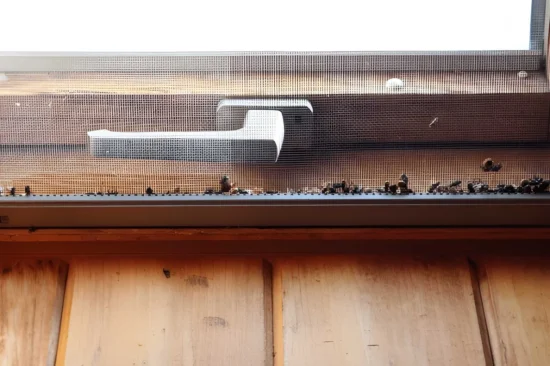
The parts of a building that people see are rarely the parts pests use. Mechanical rooms, meter areas, service doors, utility chases, and the places where pipes and conduits pass through walls are tucked away, and they are often built with function in mind and little attention to what might crawl through. Yet these service areas connect the outside of a building to its occupied spaces, and they can quietly carry pests with them.
Good design can reduce that risk without much cost. When sealing and inspection access are considered from the start, openings close tightly and stay easy to check. The sections below look at how utility areas become pest pathways, which design details help, how to maintain them, and when recurring activity points to a problem that needs professional evaluation.
How Service Areas Become Pest Pathways
Service and utility zones share several traits that attract pests. They are usually warm, because they hold heating, cooling, and water equipment. They are often quiet, since people enter only for maintenance. They contain pipes and conduits that provide moisture and routes for travel. And they sit at the boundary between inside and outside, with doors, vents, and openings that connect to the exterior.
Penetrations are the most common weak points. Where plumbing pipes, electrical conduits, refrigerant lines, and cables pass through walls, floors, and ceilings, the hole is almost always larger than the line. Fillers may shrink, fall out, or be missing. Rodents, cockroaches, ants, and other pests use these gaps to move between rooms, floors, and units.
Utility chases and shafts act as vertical highways. In multi-story buildings, they link many spaces, and pests that enter at the base can reach upper floors. Meter areas and service doors, which open directly to the exterior, may have worn seals or gaps at thresholds.
Mechanical rooms often include floor drains, sump pits, and condensate lines, all of which supply moisture. Storage of boxes and supplies in these rooms adds shelter.
The Central Valley climate adds variety. Hot summers push pests toward cooler, shaded building spaces, and irrigation and nearby waterways support insects and rodents that look for shelter indoors. Building design can account for these pressures by making service areas harder to enter and easier to inspect.
Design Details That Prioritize Sealing
Careful detailing at penetrations makes a significant difference. Using sleeves, collars, and escutcheon plates around pipes and conduits gives a defined opening that can be sealed tightly. Sealants and fillers should be rated for the materials and conditions, and flexible enough to move with the building. Where rodents are a concern, metal or cement-based materials add resistance to chewing.
Grouping penetrations helps. Running several lines through a single, well-designed opening, with a purpose-made seal, is easier to protect than many separate holes. It also simplifies later inspection, since there are fewer places to check.
Doors and thresholds need careful attention. Service doors should have tight-fitting frames, continuous weatherstripping, and door sweeps that make contact with the threshold. Louvered doors and vents should be screened with durable mesh. Meter and utility enclosures should close fully, with gaps at edges sealed.
Floors and walls in mechanical rooms benefit from smooth, sealed surfaces. Joints between walls and floors, around floor drains, and at equipment pads can be sealed to eliminate hiding places. Drain traps should be kept filled, and covers should fit well.
Avoid concealed gaps. Boxed-in pipe runs, hollow enclosures around equipment, and decorative panels can create voids that pests use. Designing enclosures so that they are solid, or that they have access panels, prevents hidden harborage.
Owners who see the same signs near a meter room or mechanical space can ask Official Pest Prevention in Stockton to look at how pests are moving through the area.
Accessible Service Zones, Screening, and Durable Materials
A detail that cannot be inspected will not be maintained. Designing accessible service zones means leaving room to see and reach penetrations, vents, and the edges of equipment. Access panels, removable covers, and clear working space around mechanical equipment allow technicians and maintenance staff to check for signs of activity.
Screening should be durable. Stainless steel or galvanized mesh resists rust and chewing better than plastic or lightweight aluminum. It should be secured with proper fasteners and frames, with no gaps at the edges. Mesh openings should be small enough to block insects where needed, while still allowing airflow.
Recommended features for service and utility areas include:
- Durable penetration seals, using sleeves, collars, and exterior-grade sealants
- Accessible service zones with clear working space and removable panels
- Metal screening on vents, louvers, and openings, fixed with proper fasteners
- Tight-fitting service doors with continuous weatherstripping and sweeps
- Smooth, sealed floor and wall joints in mechanical rooms
- Solid enclosures or access panels in place of concealed voids around utilities
Drainage and moisture control belong in the design as well. Slope floors toward drains, prevent standing water, insulate cold pipes to limit condensation, and provide ventilation where needed. Reducing moisture removes one of the main attractions for pests.
Materials should be chosen for longevity. Sealants that crack in a few years, foam that crumbles, and plastic that degrades in the sun create future gaps. Investing in materials that last reduces maintenance and keeps seals effective.
Maintenance Practices That Keep Details Effective
Even the best design needs upkeep. Buildings move, materials age, and trades that work on utilities often disturb seals. A regular inspection schedule, perhaps twice a year, and after any utility work, keeps service areas in good order.
Inspection should cover penetrations, door seals, screens, drains, and the condition of enclosures. Look for gaps, missing sealant, torn mesh, and damaged sweeps. Check for droppings, gnaw marks, nests, shed skins, and moisture. Photographs and dated notes build a record that shows changes over time.
Repair promptly and use proper materials. Replace damaged mesh, reseal penetrations, and repair door seals as soon as problems are found. Temporary fixes, such as stuffing gaps with paper or loose insulation, rarely last.
Coordinate with other trades. When plumbers, electricians, and HVAC technicians work on service areas, ask them to restore seals and report any signs of pest activity. Include sealing in contracts and checklists, so it becomes a standard part of the job.
Keep storage organized. Keep mechanical rooms free of boxes and clutter, store items off the floor, and leave space along walls. A clean, open room is easier to inspect and gives pests fewer places to hide.
Where a seal fails repeatedly, Official Pest Prevention in Stockton can help work out whether the cause is the material, the detail, or pressure from a nearby source.
When Recurring Activity Needs Professional Evaluation
Occasional pests may be handled with a repair and some cleaning. But when activity keeps returning around service areas, the cause may be less obvious. A hidden void behind a wall, a failing seal inside a chase, a moisture problem, or a connection to a neighboring building may be sustaining the problem.
At this point, a professional evaluation can help. A pest professional can inspect service areas, utility spaces, and the surrounding structure, identify the pests involved, and recommend treatment and exclusion measures. A technician can also help owners and managers prioritize repairs and coordinate work with maintenance staff or contractors.
Bring relevant information to the evaluation. Share inspection notes, photographs, maintenance records, and details of past treatments. Ask for clear findings, including where pests are entering, what conditions support them, and what changes would reduce the risk.
After treatment, follow up. Check that repairs were completed, that seals are holding, and that activity has dropped. Update the maintenance plan with the new information, so that the building continues to improve.
End Note
Mechanical rooms, plumbing penetrations, electrical conduits, service doors, meter areas, and utility chases create pathways that pests readily use. Design details that prioritize sealing and inspection access can reduce movement into occupied areas.
Durable penetration seals, accessible service zones, metal screening, and the avoidance of concealed gaps make buildings harder for pests to enter and easier to check. When activity recurs despite good maintenance, professional evaluation helps identify what is happening behind the walls and supports lasting solutions.
Service areas deserve the same care as the spaces people see. A building with well-sealed penetrations, accessible inspection zones, and durable screening protects its occupants quietly and for a long time.Read more at https://kdarchitects.us/.