
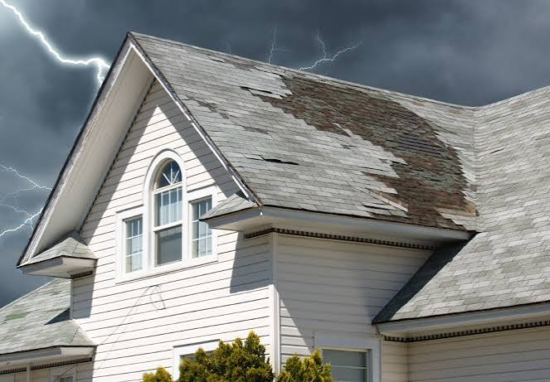
High winds are one of the leading causes of roof damage across the United States. While many homeowners immediately think about hail or heavy rain, strong wind alone can loosen shingles, damage flashing, and create openings that allow water to enter the home. Even if your roof looks fine from the ground, hidden damage may already be present after a severe storm.
Knowing what wind can do to your roof and recognizing the warning signs early can help you avoid costly repairs and protect your home’s structure.
How Wind Affects a Roofing System
As wind flows over a roof, it creates pressure that can lift roofing materials. Once a shingle begins to lift, it may lose its seal, making it much easier for future storms to remove it completely.
Wind damage often starts in vulnerable areas such as:
- Roof edges
- Corners
- Ridge caps
- Roof valleys
- Around chimneys
- Around vents
These locations experience the greatest wind pressure during storms.
Missing Shingles Leave Your Home Exposed
When shingles blow off, the roof deck underneath becomes vulnerable to moisture.
Without the protection of shingles, rain can penetrate the roof and cause:
- Water leaks
- Mold growth
- Damaged insulation
- Rotting wood
- Interior ceiling stains
- Structural deterioration
Replacing missing shingles promptly helps prevent additional damage.
Flashing Damage Can Lead to Leaks
Roof flashing is designed to keep water away from roof penetrations and transitions.
Strong winds may:
- Bend flashing
- Loosen fasteners
- Break sealants
- Separate flashing from roofing materials
Even a small gap can allow water to enter during the next rainfall.
Tree Limbs Can Cause Serious Damage
High winds often break tree branches that fall onto roofs.
Depending on the size of the limb, damage may include:
- Broken shingles
- Cracked decking
- Damaged gutters
- Punctured roofing materials
- Broken skylights
- Structural damage
Keeping trees trimmed away from your roof helps reduce this risk.
Wind-Driven Rain Can Find Small Openings
Rain accompanied by strong winds behaves differently than normal rainfall.
Wind can push water underneath loose shingles and around flashing, allowing moisture to enter areas that would otherwise remain dry.
This is why roofs sometimes develop leaks after windstorms even when shingles appear intact.
Signs of Wind Damage
After severe weather, inspect your property from the ground for signs such as:
- Missing shingles
- Curled shingles
- Loose ridge caps
- Bent flashing
- Roofing debris in your yard
- Damaged gutters
- Fallen tree branches
Inside your home, look for water stains on ceilings or walls, which may indicate hidden roof damage.
Don’t Ignore Small Problems
Minor wind damage often becomes a larger problem if left unrepaired.
A single lifted shingle can eventually allow moisture beneath surrounding shingles, resulting in:
- Roof leaks
- Mold
- Wood rot
- Increased repair costs
- Reduced roof lifespan
Addressing damage early is usually much less expensive than waiting until a leak develops.
Schedule a Professional Roof Inspection
Not all storm damage is visible from the ground.
A professional inspection can identify:
- Lifted shingles
- Broken seals
- Damaged flashing
- Loose fasteners
- Hidden leaks
- Structural concerns
Routine inspections after severe storms provide peace of mind and help prevent future problems.
When Wind Damage Means It’s Time for a New Roof
If your roof has experienced multiple windstorms over the years, repeated repairs may no longer be the most cost-effective solution. Older roofs often struggle to withstand modern weather conditions, especially when shingles have become brittle with age.
If you’re evaluating whether repairs are still worthwhile, discover more about the benefits of installing a new roofing system and how it can provide stronger protection against future storms.
Modern roofing materials are engineered to resist higher wind speeds, improve energy efficiency, and deliver long-lasting performance.
Tips for Protecting Your Roof from Wind Damage
Homeowners can reduce the risk of wind damage by:
- Scheduling annual roof inspections
- Replacing damaged shingles promptly
- Keeping gutters clean
- Trimming overhanging tree branches
- Inspecting flashing regularly
- Securing loose roofing materials
- Addressing small repairs before storm season
These preventative steps help your roof remain in excellent condition year after year.
Frequently Asked Questions
Can strong winds damage a new roof?
Yes. Although newer roofs are generally more wind-resistant, extreme weather can still damage roofing materials if wind speeds are high enough.
How soon should I inspect my roof after a storm?
It’s a good idea to inspect your property as soon as it is safe. If you suspect damage, schedule a professional roof inspection promptly.
Will homeowners insurance cover wind damage?
Many insurance policies cover sudden wind damage, although coverage depends on your policy and the circumstances of the storm.
Can one missing shingle cause a leak?
Yes. Even a single missing shingle can expose the roof deck to moisture, increasing the risk of leaks and water damage.
Final Thoughts
Strong winds can damage a roof in ways that aren’t always immediately visible. By recognizing the warning signs, scheduling regular inspections, and addressing repairs quickly, homeowners can protect their investment and avoid expensive structural damage. Taking proactive steps before and after severe weather helps ensure your roof continues to provide reliable protection for many years.