
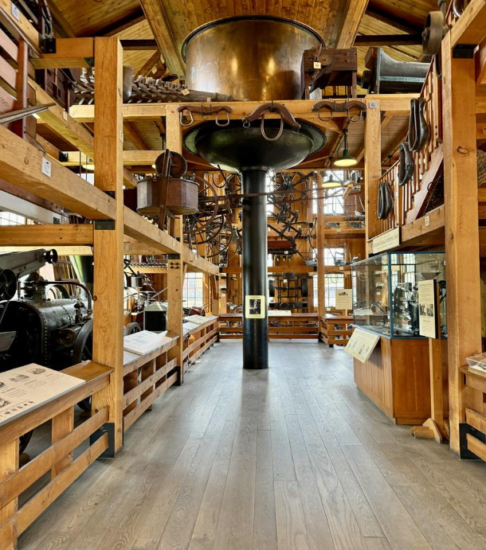
The Evolution of Interior Architectural Design
Interior architecture has shifted significantly toward natural materials and exposed structural elements over the last several decades. Homeowners increasingly prefer spaces that feel authentic, grounded, and architecturally expressive rather than visually flat or overly manufactured. One of the most influential design strategies supporting this movement is the use of visible structural timber.
Traditional drywall ceilings often conceal the structural framework entirely, leaving large open spaces visually empty despite expensive finishes or furnishings below. Exposed timber framing changes this experience immediately by introducing horizontal definition, natural wood texture, and visible craftsmanship overhead. The result is an environment that feels warmer, more substantial, and architecturally intentional.
Why Exposed Structural Framing Creates Depth
Ceilings occupy a massive portion of every interior space, yet they are frequently treated as blank surfaces. When the structural system disappears behind drywall, the room loses opportunities for visual layering and architectural scale. This becomes especially noticeable in open-concept layouts or vaulted spaces where uninterrupted ceiling planes can appear overly expansive and disconnected from the rest of the room.
Visible timber framing solves this issue by adding rhythm and dimension overhead. Large wood beams guide the eye across the space while creating stronger transitions between ceiling planes, walls, and structural openings. Natural grain patterns and shadow lines also introduce visual movement that changes throughout the day as light interacts with the timber surface.
How Structural Timber Defines Interior Character
What Structural Timber Feature Defines Exposed Ceiling Design?
Interior spaces often feel visually flat when structural framing disappears behind drywall and finish materials because the ceiling plane lacks visible depth, texture, and architectural scale. Designers frequently expose structural timber elements to create stronger horizontal lines, natural material contrast, and more dramatic transitions across large open-concept interiors. Visible wood framing also reinforces the handcrafted appearance associated with traditional timber construction and lodge-style architecture.
Many residential and timber-frame projects rely on exposed solid beams to create that structural focal point while supporting roof and ceiling loads across wide interior spans. Full-timber beam construction introduces visible grain variation, substantial structural proportions, and natural wood texture that lightweight decorative systems cannot reproduce convincingly. Timber fabricators also customize beam dimensions, edge profiles, surface finishes, and joinery details so the exposed framing integrates cleanly with surrounding posts, fireplaces, trusses, and architectural millwork. That custom fabrication becomes especially important in vaulted great rooms, rustic interiors, craftsman homes, and open-concept living spaces where visible timber framing defines the architectural identity of the environment.
The combination of structural performance and exposed craftsmanship makes heavy timber framing common in mountain homes, timber-frame residences, covered outdoor structures, and custom architectural projects. Builders maintain long structural spans while adding visual warmth and natural texture throughout the interior. Custom timber manufacturing also allows exposed framing systems to coordinate cleanly with matching brackets, mantels, columns, and entry details across the entire structure.
Natural Wood Changes the Atmosphere of Large Spaces
Large interior environments can sometimes feel impersonal when smooth drywall, steel, and synthetic materials dominate the visual palette. Exposed timber softens these spaces by introducing warmth and organic texture that make the room feel more inviting. Visible wood framing also helps define scale, making oversized ceilings appear more balanced and proportionate.
Architectural Warmth Comes From Material Authenticity
Natural wood contains subtle imperfections, grain movement, and tonal variation that synthetic products rarely reproduce convincingly. These characteristics contribute to the handcrafted quality associated with timber-frame construction and traditional lodge architecture. Exposed beams reinforce the idea that the structure itself is part of the visual design rather than something hidden behind finish materials.
This appreciation for visible natural materials extends beyond interiors into landscaping and exterior architectural planning as well. Designers increasingly focus on how indoor timber framing connects visually with surrounding outdoor spaces and natural environments. Discussions surrounding landscape ideas for architectural continuity reflect the growing importance of integrating interior and exterior design elements into a cohesive experience.
Customization Defines Premium Timber Architecture
No two timber-framed interiors share identical proportions, ceiling heights, or structural requirements, which makes customization especially important in exposed beam fabrication. Timber manufacturers frequently tailor beam dimensions, edge profiles, surface textures, and joinery details to ensure the framing integrates naturally with surrounding architectural features.
This level of customization becomes particularly valuable in open-concept homes where exposed wood remains visible across multiple rooms simultaneously. Coordinating beams with fireplaces, staircases, columns, and trim systems creates stronger continuity throughout the interior while reinforcing the handcrafted identity of the home.
Timber Design Continues Influencing Modern Interiors
The growing popularity of exposed wood architecture has also influenced broader interior design trends focused on natural materials and layered textures. Kitchens, living spaces, and gathering areas increasingly incorporate visible timber surfaces because they create a stronger emotional connection to the environment.
Recent discussions surrounding all-wood kitchen design concepts highlight how timber continues shaping contemporary interiors beyond purely structural applications. The combination of warmth, texture, and visual depth keeps exposed wood architecture highly relevant across multiple design styles.
The Brand Influence of Exposed Timber Construction
Visible timber framing has become strongly associated with premium residential architecture because it communicates craftsmanship, permanence, and structural honesty immediately. Unlike decorative trim systems that merely imitate texture, exposed structural wood reveals the actual construction language of the building itself.
Architects and designers also appreciate the versatility of timber framing because it complements a wide range of residential styles. Exposed beams work equally well in rustic lodges, mountain homes, craftsman interiors, and modern farmhouse spaces seeking additional warmth and dimensional contrast. Their adaptability ensures visible timber architecture remains timeless despite evolving design trends.
Conclusion
Visible structural timber changes interior architecture because it transforms ordinary ceilings into defining architectural features. Exposed beams introduce depth, natural texture, and stronger horizontal structure that help large spaces feel warmer, more balanced, and visually intentional.
Beyond structural performance, exposed timber contributes authenticity and handcrafted character that synthetic decorative systems often fail to achieve convincingly. Whether incorporated into vaulted great rooms, timber-frame residences, or open-concept interiors, visible structural wood remains one of the most effective ways to create spaces that feel substantial, timeless, and architecturally rich.