
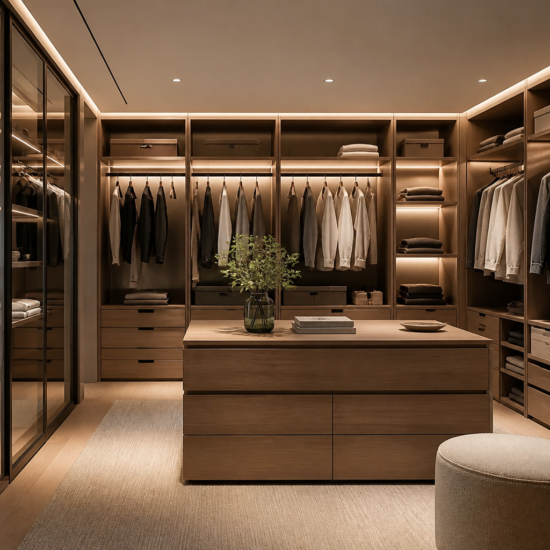
The way we organize our living spaces has undergone a dramatic transformation in recent years. No longer are closets merely functional afterthoughts tucked behind doors—they have emerged as sophisticated design elements that reflect our lifestyles, values, and aspirations. From compact urban apartments to spacious suburban homes, the evolution of storage solutions reveals much about how we inhabit our environments and what we prioritize in our daily routines.
As remote work becomes more prevalent and minimalist philosophies gain traction, homeowners are increasingly seeking systems that bring order to their belongings while maintaining aesthetic appeal. The demand for well-conceived storage has never been higher, with families recognizing that a thoughtfully arranged home reduces stress and enhances quality of life. Solutions from companies like Organized Living demonstrate how specialized systems can transform chaotic spaces into havens of efficiency, where every item has its designated place and retrieval becomes effortless rather than frustrating.
The Shift Toward Customization and Flexibility
Traditional closet design once followed a one-size-fits-all approach, with standard wire shelving and basic hanging rods that rarely accommodated the diverse needs of modern households. Today’s storage philosophy embraces customization as a fundamental principle. Homeowners recognize that their organizational needs are as unique as their personal style, requiring systems that adapt to wardrobes ranging from extensive shoe collections to professional attire, seasonal sports equipment, and everything in between.
Modular components have revolutionized how we approach closet configuration. Adjustable shelving, pull-out drawers, specialized racks for accessories, and integrated lighting create an experience that rivals high-end retail environments. This flexibility proves particularly valuable as families evolve—a nursery closet can transform into a teenager’s wardrobe station, and empty-nester spaces can shift to accommodate hobbies or collections that previously lacked proper housing.
Material Innovation and Aesthetic Integration
The materials used in contemporary closet systems reflect broader trends in interior design, with homeowners gravitating toward finishes that complement their overall aesthetic vision. Warm wood tones, sleek metallics, and sophisticated neutral palettes allow storage solutions to harmonize with bedroom décor rather than clash with it. Glass-front drawers, velvet-lined compartments for jewelry, and LED lighting strips elevate functionality into luxury.
Sustainability considerations have also influenced material selection. Many manufacturers now prioritize eco-friendly components, from responsibly sourced wood to low-VOC finishes that maintain healthy indoor air quality. This conscientiousness aligns with consumer values while ensuring durability that outlasts fleeting trends. When storage systems are built to last, they reduce waste and provide better long-term value than disposable alternatives.
Technology Integration in Modern Storage
Smart home technology has begun permeating even the most private corners of our residences. Motion-activated lighting illuminates closet interiors automatically when doors open, while app-controlled systems can catalog wardrobe contents and suggest outfit combinations. Some high-end installations feature climate control to protect delicate fabrics and leather goods from humidity damage, extending the lifespan of investment pieces.
These technological enhancements serve practical purposes beyond novelty. Automated inventory systems help homeowners track what they own, reducing duplicate purchases and encouraging more mindful consumption. When you can visualize your entire wardrobe at a glance through digital tools, decision-making becomes more efficient and intentional.
The Influence of Professional Interior Design
Professional designers have played a crucial role in elevating expectations around residential storage. Firms specializing in comprehensive spatial planning understand that effective organization extends far beyond closets alone, encompassing mudrooms, pantries, garages, and home offices. This holistic approach ensures consistency throughout the home while addressing the specific challenges each space presents. Resources like KDA Designology’s interior design philosophy illustrate how architectural thinking can transform storage from mundane necessity into thoughtful design statement.
Designers bring expertise in space optimization, understanding how to maximize vertical height, utilize awkward corners, and create functional zones within confined footprints. Their trained eye identifies opportunities that homeowners might overlook, whether incorporating pull-down hanging rods for accessibility or designing island units that provide workspace within walk-in closets.
Builder Perspectives and Market Evolution
The construction industry has responded to shifting consumer priorities by reimagining how storage is incorporated into new builds and renovations. Builders increasingly recognize that generous, well-designed closets serve as significant selling points, often influencing purchase decisions as much as kitchen features or master bathrooms. Industry analysis of closet design evolution reveals how professionals are meeting these elevated storage expectations through innovative planning and strategic space allocation.
Spec homes now routinely include walk-in closets as standard features rather than luxury upgrades, while floorplans allocate more square footage to storage overall. This shift acknowledges the reality that Americans own more possessions than previous generations and require corresponding infrastructure to maintain order. Forward-thinking builders collaborate with organizational specialists during the design phase, ensuring that storage solutions integrate seamlessly with architectural elements.
Regional Variations and Cultural Considerations
Storage needs vary significantly across geographic regions and cultural contexts. Homes in colder climates must accommodate bulky winter gear and seasonal rotation systems, while properties in warmer areas prioritize ventilation to prevent mustiness. Urban dwellers often require creative solutions for maximizing limited square footage, whereas suburban and rural residents may seek to organize sprawling collections spread across ample space.
Cultural attitudes toward possessions and display also influence organizational strategies. Some homeowners prefer concealed storage that keeps belongings completely hidden, maintaining minimalist visual simplicity. Others embrace open shelving and display-oriented systems that showcase curated collections as decorative elements. Effective design accommodates these diverse preferences while maintaining core functionality.
The Psychology of Organization
Beyond physical benefits, well-designed storage systems provide significant psychological advantages. Research consistently demonstrates that cluttered environments increase cortisol levels and diminish cognitive function, while organized spaces promote mental clarity and emotional well-being. The simple act of opening a meticulously arranged closet can set a positive tone for the entire day, transforming morning routines from chaotic scrambles into peaceful, intentional rituals.
This psychological dimension explains why professional organizing has evolved into a thriving industry, with specialists helping clients not merely arrange belongings but fundamentally reconsider their relationship with possessions. Effective storage solutions facilitate the editing process, making it easier to identify items that no longer serve a purpose and should be donated or discarded.
Investment Value and Long-Term Planning
Quality storage systems represent a substantial investment, prompting homeowners to carefully consider both immediate needs and future adaptability. Unlike superficial cosmetic upgrades that primarily enhance aesthetics, organizational infrastructure delivers daily functional returns while potentially increasing property value. Real estate professionals note that homes with exceptional storage solutions often command premium prices and sell faster than comparable properties with inadequate closet space.
The most successful installations balance current requirements with flexibility for evolution. Adjustable systems that can be reconfigured as needs change provide superior value compared to rigid custom built-ins that become obsolete when circumstances shift. This forward-thinking approach ensures that storage investments continue delivering benefits for decades rather than becoming outdated within a few years.
Conclusion: Storage as Lifestyle Enhancement
The transformation of closet design from utilitarian afterthought to sophisticated lifestyle element reflects broader cultural shifts toward intentional living and mindful consumption. As we continue spending more time in our homes, the importance of well-conceived organizational infrastructure only intensifies. Whether undertaking a comprehensive renovation or implementing incremental improvements, homeowners who prioritize effective storage solutions invest in daily quality of life while simultaneously enhancing their property’s functionality and market appeal. The closets and storage systems we create today shape not just how we house our belongings, but ultimately how we experience the comfort and efficiency of home itself. Read more at https://kdarchitects.us/.