
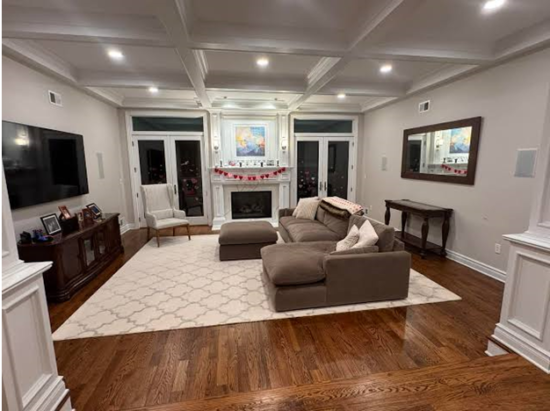
You can perform a complete renovation and still have your room feel slightly off. Most homeowners spend years tweaking small décor details, rearranging furniture, or changing accessories without achieving the transformation they want. Sometimes, the issue lies in the foundation of the room itself. Flooring is the largest continuous visual surface in any home, anchoring the overall aesthetic. Updating it can alter the character of a space instantly, making familiar rooms feel brighter, warmer, and more inviting without requiring a complete renovation.
Why Flooring Has Such a Big Visual Effect
The floor sits beneath every piece of furniture and reflects light from windows, lamps, and other sources. Its visual influence is considerable, as its tone, material, and texture help establish the atmosphere of a room. A textured, warm surface can bring instant coziness to an otherwise stark environment, changing how large, bright, or welcoming the space feels when you step inside.
For example, natural-looking flooring can introduce warmth into a minimalist room filled with neutral furniture, while lighter surfaces can help smaller spaces feel more open. The finish matters too. Smooth flooring creates a different impression from a soft, textured carpet, which can make a room feel more comfortable and relaxed. These choices also contribute to modern building performance by supporting interior comfort, durability and practical functionality while complementing the overall design of the space.
The Same Furniture Can Look Completely Different
One of the most surprising outcomes of a flooring upgrade is how it reshapes the furniture sitting on top of it. Even familiar pieces can appear more attractive when their surroundings complement their color and design.
- A rich mahogany cabinet or dark oak dining table that blends into a dark surface can stand out beautifully against a lighter, neutral floor.
- Creams and beiges that felt washed out against pale surroundings can gain depth and warmth when grounded by a textured surface.
- Colorful armchairs or statement rugs can find a better visual balance when the floor beneath them does not compete for attention.
This is why replacing flooring before buying new furniture can sometimes be a sensible decision. Once the foundation changes, homeowners may discover that their existing pieces work better than expected, saving money while achieving a noticeably refreshed appearance.
Choosing Flooring Around the Way a Room Is Used
Although appearance has a major impact, flooring must also meet the demands of everyday life. A living room experiences constant foot traffic, while homes with children or pets require surfaces that balance durability with comfort. Bedrooms may benefit from softer flooring that feels pleasant underfoot, particularly during colder months.
Practical considerations such as ease of cleaning, stain resistance, and sound insulation should influence the final choice. Consulting an interiors expert can help homeowners identify flooring materials that balance aesthetic appeal with everyday functionality. Carpet, for instance, can help soften footsteps and create a comfortable atmosphere in spaces designed for relaxation. Other flooring materials may suit areas where frequent cleaning and resistance to everyday wear are priorities.
Considering these requirements before making a purchase helps ensure that the floor remains as functional as it is attractive. A suitable choice should complement the room’s design without creating unnecessary maintenance challenges.
When a Flooring Change Solves More Than a Style Problem
Replacing an old floor often addresses functional issues alongside cosmetic ones. It can remove worn surfaces, lingering stains, faded patches, or outdated patterns that make a property feel older than it is. A fresh surface can also make routine cleaning easier and create a more consistent appearance throughout the home.
Furthermore, extending complementary flooring across adjacent spaces can establish a seamless flow between connected rooms. This visual continuity may make the entire floor plan feel larger and more cohesive, particularly in homes where the living and dining areas share an open layout.
If you are planning a refresh and want a surface that brings warmth, acoustic comfort, and a sense of luxury to living areas or bedrooms, local specialists can help simplify the selection process. For homeowners seeking tailored guidance and professional fitting, Carpets St Albans offers advice to help match suitable materials and textures to specific room requirements.
Look at the Whole Room Before Choosing the Floor
Before making a final decision, consider how a new surface will interact with the surrounding elements. Wall colors, natural lighting, furniture finishes, curtains, and neighboring rooms all influence the finished result. A floor that looks perfect in a showroom may appear quite different when installed in a room with limited daylight or warm artificial lighting.
Whenever possible, view physical samples inside your home during different times of the day. Compare them under natural daylight and evening lamp light, paying attention to how their colors change. This simple step can help prevent disappointing choices and make it easier to select flooring that complements the existing décor.
Conclusion
You do not always need a costly, full-scale renovation to make a dramatic home improvement. Sometimes, the missing piece is right beneath your feet. By updating the floor, you redefine the foundation of the entire room, allowing familiar furniture, colors, and decorative details to feel fresh and balanced. A carefully chosen surface can improve both appearance and everyday comfort, proving that a relatively focused change can transform how a home looks and feels.