
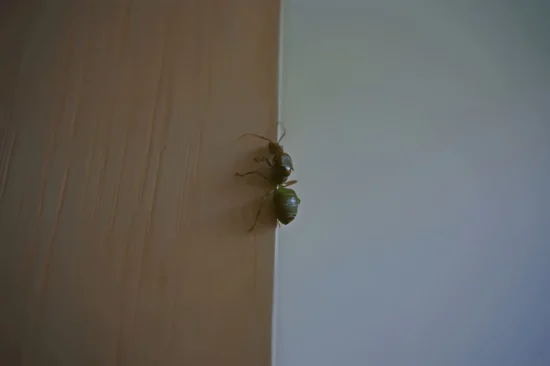
Two homes on the same street can have very different ant problems. One sees thin lines of tiny ants crossing the kitchen counter every morning. The other finds loose soil mounds along the driveway and wide trails marching beside the garage slab. The difference often has less to do with sanitation than with how each building meets the ground, how water moves around it, and which gaps connect the outdoors to the interior. Florida construction, with its slab foundations, irrigated beds, and many utility lines, creates a wide range of conditions that favor different species in different ways.
How Slab Edges and Wall Penetrations Create Ant Highways
Most Florida homes sit on a concrete slab, and slabs are not perfectly sealed. The seam where the slab meets the wall, small cracks from settling, and the joints around garage doors and patio edges all give ants a protected path. Ants prefer to travel along edges, because a vertical surface or a ledge gives them something to follow with their antennae. A slab edge is a ready-made guide rail.
Wall penetrations add more routes. Pipes for plumbing, conduit for electrical lines, air conditioning refrigerant lines, and cable entries each pass through the exterior, and the holes around them are frequently larger than the line itself. Sealant dries and cracks over time, foam shrinks, and gaps open. Once an ant scout finds one, it lays a scent trail that other workers follow. A line of ants appearing indoors beneath a sink or beside a baseboard often traces back to one of these openings. Identifying the point where the trail crosses the building envelope is more useful than wiping up ants wherever they appear inside.
Landscaped Foundations and the Moisture That Supports Nests
Plant beds against a foundation do more than decorate. Mulch holds water, soil under dense shrubs stays cool, and sprinkler heads aimed at the wall keep the base of the building damp. Ants that nest in soil find those conditions ideal. A colony can occupy a bed along the foundation, with workers moving between the nest and the structure in a matter of inches.
Moisture also shapes where ants choose to settle once heavy rain arrives. Flooded soil pushes colonies toward higher, drier ground, and a house often provides exactly that. Gutters that overflow onto the same corner each storm, a spigot that drips into the same planter, or an air conditioner condensate line that empties beside the slab will concentrate activity in one place. Dry, well-drained soil gives colonies less reason to move close, and a clear gap between landscaping and the wall makes trails far easier to see. These building and yard conditions determine where activity begins, even before the species is known.
Why Some Ants Forage Indoors While Others Spread Through Soil
Not every ant behaves the same way, and the differences affect how problems unfold. Species commonly grouped as sugar ants are small foragers that look for sweet liquids and honeydew, and they readily follow trails into kitchens and bathrooms. Big-headed ants, in contrast, nest primarily in soil, build extensive tunnel networks beneath lawns and slabs, and are noted for the larger-headed soldier workers that give them their name. They can spread through landscaping and structural gaps, and a single colony may have multiple nest sites.
Because of those habits, correct identification shapes everything that follows. A guide comparing big headed ants vs sugar ants florida is useful for exactly this reason: ants that look similar from a distance can need very different responses. Treating an outdoor soil colony the way one would treat an indoor kitchen forager wastes effort and may scatter the colony. Sorting out the species first, even by noting where the trails are, where nests appear, and what the ants are feeding on, produces a clearer plan.
Building Details That Reduce Soil-to-Structure Contact
Architecture and maintenance decisions can limit how easily ants get from the ground to the walls. The aim is to remove direct links and keep moisture away from the envelope. Useful measures include:
- Seal gaps around pipes, conduit, and cable lines with durable exterior sealant, and recheck them each year.
- Repair cracks along slab edges, garage thresholds, and patio joints.
- Keep soil and mulch several inches below the siding line and away from weep screeds.
- Redirect downspouts and condensate lines so water drains away from the foundation.
- Keep irrigation heads from spraying directly on exterior walls.
- Trim branches, vines, and shrubs that touch the roofline or siding.
Each item reduces either access or moisture. Soil that touches siding gives ants an uninterrupted bridge, and fixing it often matters more than any surface treatment applied later. Homeowners planning renovations or new landscaping can use the same principles at the design stage, choosing hardscape borders, gravel strips, or raised planters that keep plant beds away from the wall. These choices cost little at the start and are far harder to correct after a bed has matured.
Designing Accessible Inspection Zones Around Foundations
Prevention works best when it can be checked. A foundation hidden behind thick shrubs and deep mulch makes ants invisible until they are indoors. A clear strip of exposed ground or gravel, about a foot or so wide, gives a clean view of trails, soil mounds, and entry points. It also helps a technician trace a problem without disturbing the planting.
Accessibility applies to utilities as well. Place meters, hose bibs, and air conditioning lines where they can be reached and examined, and avoid enclosing them in dense planting. Inspection should be a routine task, and a walk around the building every few weeks during warm months, with a flashlight and attention to slab edges and penetrations, is usually enough. Notes about where ants appeared, at what time of day, and what they carried help distinguish species behavior. A property designed with visibility in mind gives owners a better chance of catching a colony before it becomes established.
Final Analysis
Ant activity in Florida homes reflects the way buildings, soil, and water interact. Slab edges, pipe openings, damp landscaping, and utility routes give ants a path, and species differ in how they use it. Some come straight inside for food, while others nest in soil and extend their reach through the landscaping and structure.
Managing moisture, sealing penetrations, separating soil from walls, and leaving room for inspection address the building-related causes that make recurring ant activity possible. Correct identification then points toward a sensible next step, because the same trail in the kitchen can lead to very different sources. Good building habits do not eliminate ants from the property, but they make their movement easier to see and harder to sustain, and that is a practical foundation for any further treatment decisions.Read more at https://kdarchitects.us/.