
When people think about outdoor design, they usually picture a patio, a lawn, or a few trees. But kdarchitects landscape ideas from morph look at outdoor space differently. This way of planning comes from designer Roger Morph and his belief that outdoor areas should feel like part of people’s lives, not just decoration. In many parts of the United States outdoor space is where families gather, where kids play, and where evenings and weekends unfold. That means landscape design has to work well, not just look good.
In this post we explain what kdarchitects landscape ideas from morph really mean and how they show up in real work today. You will learn how these ideas begin not with style but with people, with place, and with purpose. We start with how ideas are formed and move to ten specific ways this approach plays out in gardens, yards, and community spaces. Along the way you will see why working with land, choosing the right plants, and thinking long term matter more than ever in today’s homes and neighborhoods. Designers like kdarchitects roger morph often emphasize this balance between aesthetics and usability.
Understanding modern landscape architecture helps you see beyond plants and pavers. You start to see how outdoor space can support life, comfort, and daily routines. The aim is outdoor areas that feel intentional, natural, and easy to live with.
How These Ideas Work in Practice
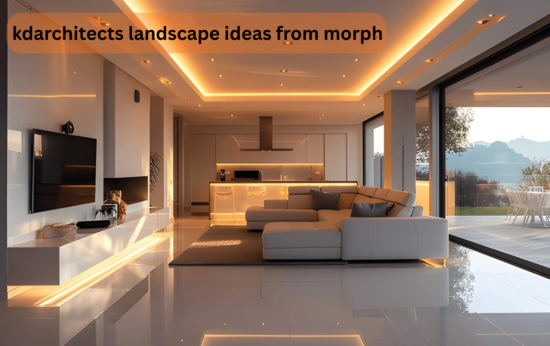
In traditional landscape planning, designers sometimes start with themes or trends. kdarchitects landscape ideas from morph start with the site itself: its soil, slope, light, and surroundings. The idea comes from Roger Morph, who believes design should be rooted in place rather than imposed from outside.
When designers use this approach they study how a site works before they add anything. They walk the land, watch how light changes through the day, and note how people might move through or use the space. That informs every decision after. The result feels like it belongs there. It feels alive.
This approach also respects nature. Instead of fighting a slope or stripping topsoil, designers look for ways to make these elements work for the space. That often leads to outdoor areas that are easier to maintain, more water sensitive, and more comfortable for people.
How Roger Morph Approaches Landscape Design
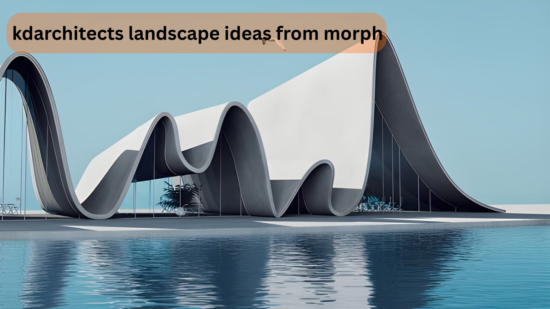
When people talk about Roger morph’s landscape architecture, they highlight his focus on human use and natural fit. Roger Morph trained in traditional methods, but his thinking shifted as he saw how often landscapes fail to meet people’s needs. A lawn looks neat but gets little use. A patio feels exposed and goes empty. Plants are pretty but die in summer heat.
Morph’s work often begins with questions about daily life. Who lives here? When do they use outdoor space? What direction does the sun move across this yard? How does water flow after rain? These simple observations change how designers plan.
Rather than neat symmetry, the focus is on comfort, flow, and resilience. A path curves with natural movement. Shade trees are placed where people will sit. Plants are selected for climate and soil, not just looks.
Idea One Site Use Before Design
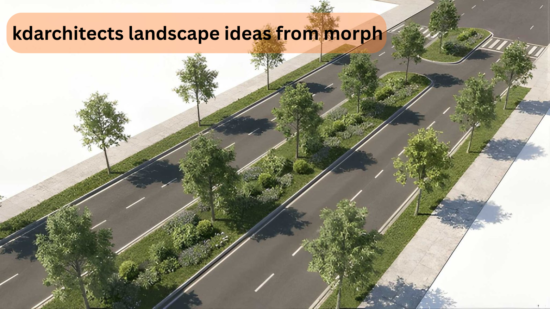
Before drawing lines or choosing materials, the first step is to study how people will actually use the space. This is rarely an afterthought in kdarchitects landscape ideas from morph work. Instead it’s the starting point.
Designers, including landscape kdarchitects roger morph, might watch how people enter a yard, where they naturally gather, and where they prefer shade or sunlight. A child’s play area might be placed near the house for supervision. Seating often goes where breeze and shade are best. These choices come from watching real life, not guessing what looks good on paper.
The outcome is outdoor space that feels lived in. People don’t walk around obstacles or avoid areas. The space supports activity without shouting about design.
Idea Two Working with Natural Topography
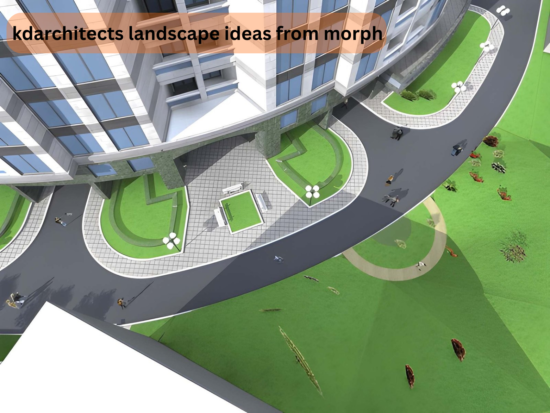
Most landscapes are shaped by forces of wind, rain, and time. Modern landscape designs use these forces instead of fighting them. Instead of flattening land or forcing geometric shapes, designers work with slopes and levels.
In practice this means retaining natural hills and dips rather than cutting them away. A gentle slope might guide water toward plants that need it. A high point can become a seating area with a view. Paths follow the easiest routes rather than forcing straight lines.
This approach saves resources, reduces soil disruption, and leads to spaces that feel grounded rather than artificial.
Idea Three Blending Hardscape and Planting
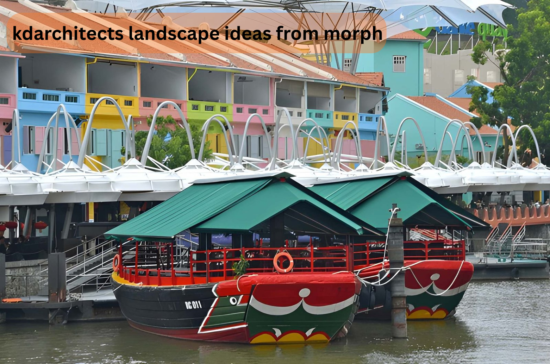
Hardscape refers to built materials like stone, gravel, wood decking, and concrete. Softscape means plants and soil. Too often these feel like separate layers, with plants tucked awkwardly around a patio.
Landscape kdarchitects by roger morph blends these elements so they feel part of one whole. Instead of abrupt edges, hardscape curves into planting beds. Wooden benches flow into garden borders. Paths are laid so plants flank and frame them rather than sit at poke‑out edges.
This blending softens the space and makes outdoor areas feel continuous rather than divided.
Idea Four Outdoor Living that Works
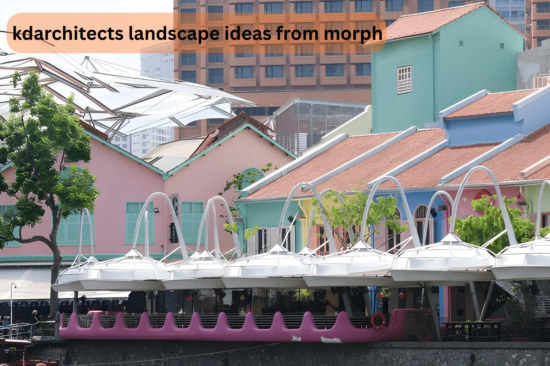
Outdoor living has become a priority for many people in the United States. Modern landscaping concepts expand this idea by thinking about comfort and use above all.
Outdoor space may include cooking areas, sitting spots, and play zones. But they are placed where people want to use them. A dining area may be near the kitchen door to carry food easily. Seating might be sited for afternoon shade and evening breeze. Even small yards can use these ideas to maximize function.
Designs also consider seasons. In cooler months blankets and warm lighting extend use. In hot months shade structures or plant shelter keep spaces comfortable.
Idea Five Native and Adaptive Planting
Choosing the right plants makes a big difference in how a landscape performs. The landscape’s design ideas focus on plants that fit the soil, light, and climate.
Native plants are often chosen first. These species evolved to survive local weather and need less water and care. They support local wildlife and pollinators. Adaptive plants that can handle drought or heat are also used in places with challenging climates.
This not only reduces water use but also lowers maintenance and increases the chance plants thrive over time.
Idea Six Water‑Smart Design
Water matters for plants and for land health. Architectural landscape ideas include ways to manage water without waste. Simple grading directs rain into beds, not into storm drains. Rain gardens catch runoff. Mulch helps soil hold moisture longer.
In drier areas designers use xeriscaping, grouping drought‑tolerant plants and reducing lawn areas that demand lots of irrigation. Rain barrels and cisterns may collect water for later use.
This water‑aware approach makes landscapes stronger, cheaper to care for, and more supportive of local ecosystems.
Idea Seven Layered Landscape and Elevation
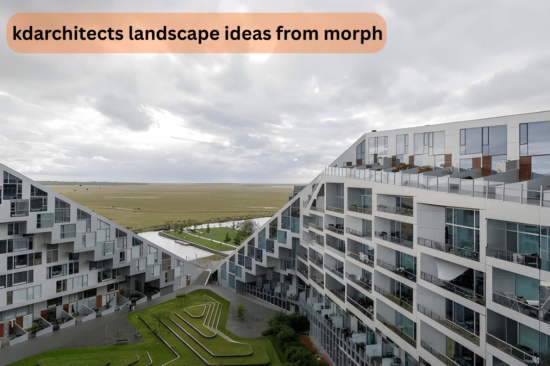
Flat doesn’t have to be boring. Architectural landscape designs use elevation and layers to create interest and function. Raised planters, slight mounds, and steps divide space without walls.
Layers also help separate zones. A play area can be subtly distinct from a seating area by a small rise or planting. Taller plants in the back, lower ones in front, and ground covers in front of those create depth and richness without clutter.
These layers feel natural and help guide movement without fences or barriers.
Idea Eight Urban Strategies for Green Space
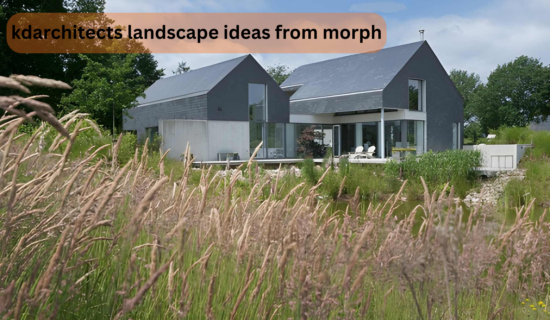
City yards and patios can feel small and cramped, but good design can make them work. Designers find ways to use space by thinking up and out. Walls can hold vertical gardens, roof decks can get green beds, and narrow strips can become little herb gardens or cozy private corners. Even tiny yards can be planned so every inch has a purpose. These ideas make city life more comfortable and bring nature closer, even when land is limited.
Idea Nine Minimalist Aesthetic
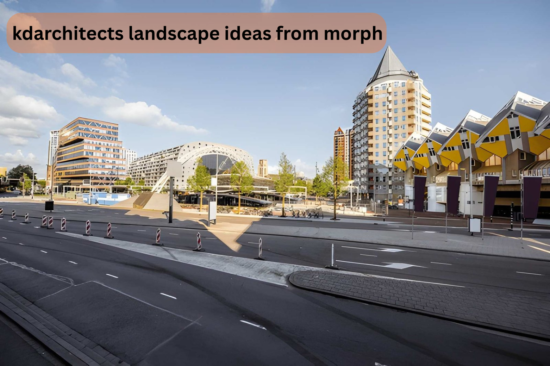
Not every yard needs busy plots of color and complex features. Sometimes less is better. Modern landscape design ideas often favor clean lines, calm spaces, and selective planting. Even a single feature can anchor a yard and guide use effectively.
A minimalist yard might have a single strong tree, a well‑placed bench, and a clear walking route. This doesn’t feel empty. It feels restful and easy to enjoy. Less also means less maintenance and less distraction from what matters use.
Idea Ten Designing for Long‑Term Success
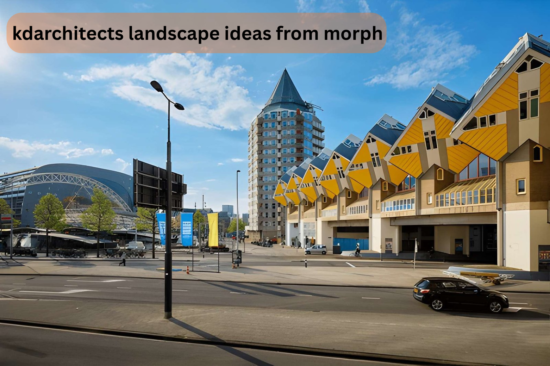
Good design thinks beyond installation day. Plants grow. Materials age. People’s needs change. Architectural landscape plans build flexibility and durability into plans.
Designers choose materials that will hold up, plants that mature well, and layouts can adapt if needs change. A play area can convert into a garden. A fire pit area might become a quiet reading nook over time. This kind of planning makes outdoor spaces last longer and stay useful.
How KDArchitects Think and Work
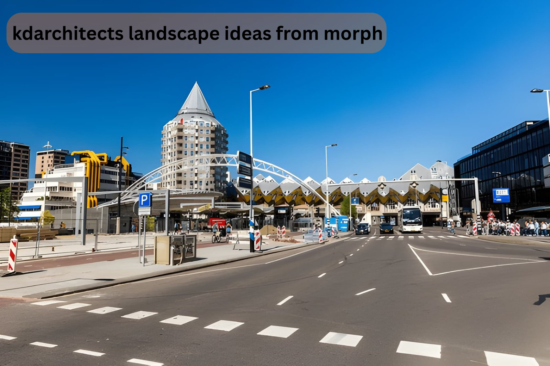
KDArchitects specializes in designing outdoor areas that benefit both humans and the environment. Customers frequently comment on the team’s attention to detail and ability to modify ideas so that the rooms suit people’s lifestyles rather than just how they appear on paper.
The intention is to create areas where people congregate rather than merely gaze. Some of their projects show up in interior design archives kdarchitects, showing how they think about the outdoors and indoors together.
One approach that shows the firm’s breadth is its attention to both large parks and private yards. Public spaces get thoughtful circulation and gathering spots. Smaller sites get careful plant choices and clear movement paths. This flexibility shows a deep understanding of outdoor needs in many contexts.
Where to Start with These Ideas
Putting these ideas into practice doesn’t require a big budget or years of experience. Start by observing the space you have. Notice sun and shade paths. Think about how people move and where they want to be. Choose a few native plants that fit your region. Make a small seating area that feels natural. Even simple improvements like adding a pex plumbing type kdarchitects plumbing piping system can improve functionality in watering or irrigation setups.
Small changes can improve comfort and use. As you learn from each step, you can expand and refine.
Final Thought
KDArchitects’ ideas from Morph aren’t just about making a yard look nice. They’re about how people actually use the space. Good landscaping should fit the land, have the right plants, mix paths and greenery in a way that makes sense, and last over time. Whether it’s a city patio or a backyard, these designs turn regular outdoor areas into spaces you want to be in. The simple truth is this: pay attention to the land, plan for real life, and make it a place people enjoy every day. kdarchitects landscape ideas from morph proves thoughtful design can improve everyday life.
Related Posts
Advancements immersive experience kdarchitects Redefining Modern Design
Design today is about how a place makes someone feel.…

Design Innovation at www . kdarchitects .net
Design is part of daily life. It shapes how we…
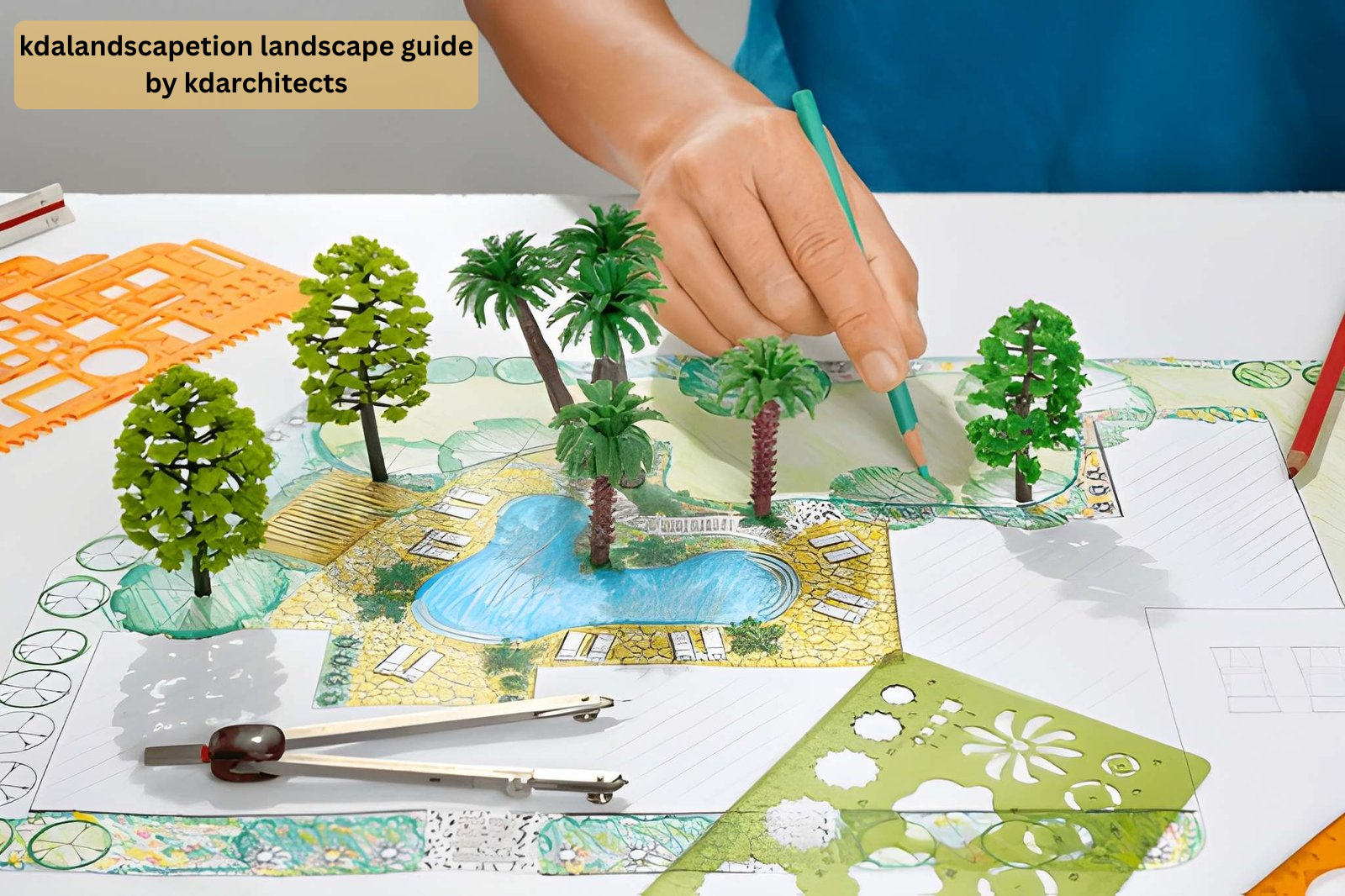
Kdalandscapetion Landscape Guide by KDArchitects: 7 Tips That Actually Work
A lot of yards in the US look the same.…