
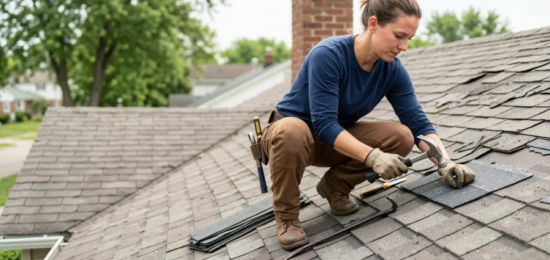
Replacing a roof on an older home is generally thought of as a very expensive home improvement project. But the reality is that replacing an older roof on a home is more of a discovery project. It is a way to uncover the many decisions made about a home over the years, the numerous weather events that have affected a home, and the many maintenance decisions NOT made on a home’s roof over the years. Pulling one thread can result in a very rapid collapse of a section of a roof with significant damage to the decking and various forms of damaged or failed flashing. After that it’s off to negotiate with a contractor who’s original bid no longer applies.
However, even the worst of roofing replacements aren’t typically a series of errors that led to the disaster that unfolded. Typically, there is one event that took place, that led to another problem and another, until the whole house of cards collapsed. By identifying the original cause of the damage and working through each subsequent problem, homeowners can find a very positive experience in roofing replacement. Here is a detailed look at what to expect in the process.
The signs that actually matter
The majority of roof failures do not occur suddenly. More often than not, there are obvious signs before the roof has a complete failure. Here are a few “silent” indicators of potential roof failure before shingle failure that you should be aware of:
- Granules collecting in your gutters (your shingles are essentially dissolving, shedding their protective coating like a sunburn)
- Daylight visible in your attic, even a faint, ghostly sliver of it
- A roof that’s sagging in spots — not just one dramatic dip but subtle, rolling waves across the deck
- Energy bills that have crept upward without any obvious explanation
A leaking roof slowly losing money is worse than a roof on fire! Losing money slowly so that you cannot easily determine the cause of the problem is worse than a roof problem that occurs suddenly. A roof slowly losing cool air in summer or heat in winter is losing money every hour of every day. The homeowner thinks that the increased cost to cool or heat the home is being caused by the increased cost to operate the HVAC equipment. However, the increased cost to cool or heat the home is actually being caused by the leaky roof.
Most typical roofing systems made of asphalt shingle roofs will last anywhere from 20 to 30 years. But you have to remember, that’s just typical. And there is nothing typical about your home. Just because your neighbor’s roof lasted for 30 years doesn’t mean your roof will last that long. However, if your home’s roof is approaching the middle of its expected life then it should start to show some type of decline in performance. And if you start to notice decline in performance earlier than typical, then it’s most likely just a waste of your money trying to fix up a failing roof here from time to time.
What the replacement process actually looks like
A typical roof replacement process is that of replacing an old roof with a brand new roof. However, as with any older home, you can typically expect to run into a few issues while the roof is being replaced. Many of the repair issues on older homes are due to a lack of documentation on previous repairs. For example, a home owner may not know what type of roofing materials were used to repair a section of the roof in the past. This can cause problems when trying to do additional repairs or even when replacing the entire roof.
- Inspection and estimate: A reputable contractor will physically get on the roof, not just squint at it from the driveway while nodding thoughtfully. They should examine the decking, flashing, ventilation, and gutters before quoting a single number.
- Tear-off: Unless the existing layer is in unusually good shape and local code permits it, expect a full tear-off. Layering new shingles over compromised ones just buries the problem under prettier packaging.
- Deck repair: This is where surprises live. Rotted decking gets discovered after tear-off, not before. Budget a contingency, even a modest one, because it almost always gets touched.
- Installation: New underlayment, ice and water shield in the vulnerable zones, then shingles. The quality of the underlayment matters more than most homeowners ever realize, which is exactly why contractors rarely bring it up unprompted.
- Cleanup and final inspection: Any crew that doesn’t drag a magnet across your yard for stray nails is a crew you don’t want setting foot on your property again.
If you’re a homeowner who lives in Raleigh, you know that replacing a roof in Raleigh requires accounting for a number of different elements that can potentially cause damage to your roof over time. For example, Raleigh homes are subject to high levels of humidity, and on occasion homes in the area can be affected by ice. In addition, Raleigh is also prone to a number of different types of storms, including hurricanes and tornadoes. As a result, it is very important that homeowners in the area choose a contractor who has experience with roofs that are affected by these different types of elements. It is also important that the contractor has experience with the different types of building codes that are required in the area. By choosing a contractor who has experience with these things, you can have confidence that your roof will be installed in a way that will allow it to last for as long as possible.
The mistakes that keep coming up
Asking the right questions can save a homeowner from many mistakes that can be very costly to fix. Some of the biggest mistakes are made within the first 10 minutes of speaking with a contractor and can cause many problems for the homeowner in the long run.
- Choosing the lowest bid without verifying references, licensing, or whether that number even includes all the work it should
- Skipping ventilation upgrades during replacement — a new roof installed over a poorly ventilated attic will fail faster than it should, and the moisture damage tends to stay invisible until it’s already significant
- Ignoring the flashing around chimneys and skylights, which is, more often than not, where leaks actually originate
Quotes that are the lowest price usually do not include the cost of the ventilation. There is a reason that most contractors do not include the cost of the ventilation in their initial quotes to homeowners. It would cost them the job if they included the cost of the ventilation in the initial quote and the homeowner thought that was too expensive. Homeowners usually don’t even realize that the ventilation was not included in the initial quote until 2 years later when they are in the attic doing something and they find places where the roof is soft.
Choosing the Correct Roofing Materials
Honestly? Most homeowners stick with the common asphalt shingles. They work well and everyone knows how to install them.
For most homeowners the asphalt shingle trade is well known and readily available with most roofers willing to price competitively to get your business. But for those who can afford the up front cost and plan to be in a home for many years, there are other cost effective roofing options available that may pay for themselves in the long run.
| Material | Typical lifespan | Relative cost | Best for |
| Asphalt shingles | 20–30 years | Low to moderate | Most residential homes |
| Metal roofing | 40–70 years | Higher upfront | Long-term value, energy savings |
| Architectural shingles | 25–35 years | Moderate | Curb appeal + durability balance |
| Slate or tile | 50–100 years | High | Specific architectural styles |
While the cost of a premium roofing material will not be recouped in the sale of a home that is sold within three years of the cost of a metal roof to purchase is a cost effective option for a home owner that considers this to be their “forever home”.
(Interestingly architectural shingles sit in a middle ground of being suboptimal for both in price and quality and being superior in both to standard asphalt shingle roofing. I’ve seen far too many homeowners disappointed in both regards with them.)
After the roof goes on
A new roof is not a “set it and forget it” type of thing. Debris must be removed from your roof following large storms to prevent damage. Gutters must be cleaned and inspected periodically (at least twice a year) for blockages and for any damage that may have occurred. Your roof should receive an annual inspection, as well as additional inspections as necessary by a reputable roofer. It is not the most glamorous thing that you will ever do to your home. Your roof will never be the pride of your home like your newly remodeled kitchen could be. However, your roof is a very important part of your home that must be maintained in order to provide you with the full 25 years of life that it was designed to provide.
Clean out your roof after huge storms. Check your gutters twice a year (Fall and Spring). Get a roof inspection every 3-5 years. It’s not pretty. Nobody wants to get up on a cold, wet or hot day to check out their roof. But when your roof starts to fail (at 18 years) you won’t know why. It’s an invisible problem. Small maintenance over the years can help to prevent huge problems later.
Small attention now keeps big surprises at bay. That is what it is all about.