
Pests rarely need much space. A gap beneath a soffit panel, a loose vent screen, or a hole around a plumbing pipe can serve as an open door for rodents, insects, and other wildlife. Many of these openings sit high on the building or behind fixtures, where they are hard to see and easy to forget. They are often created during construction, and then they are left alone for years.
Building details therefore play a direct role in pest prevention. The way rooflines, vents, and utility connections are designed, installed, and maintained determines how easy it is for pests to find a route inside. The sections below look at the common weak points, how thoughtful design reduces hidden access without harming ventilation, which materials and details work best, and when repeated entry points to a structural problem.
Where Pests Find Entry Around the Exterior
The roofline is a frequent starting point. Soffits, the underside of roof overhangs, contain vents and joints that can open over time. Fascia boards, which cap rafter ends, can warp or separate from the structure. Gaps where soffit meets wall, or where fascia meets roof edge, give insects and rodents a way into the attic space.
Roof-wall transitions are another weak point. Places where a roof meets a vertical wall, such as dormers, additions, or porch roofs, involve flashing and trim that can loosen with weather and age. Gaps behind this metal and trim can lead directly into wall cavities.
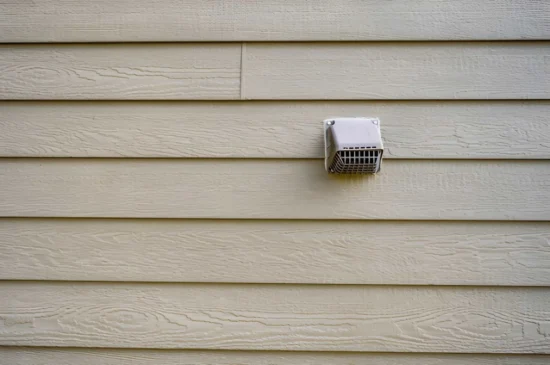
Vents deserve close attention. Attic vents, gable vents, ridge vents, soffit vents, and crawl-space vents all provide air movement, and all can admit pests if the screening is missing, torn, or too coarse. Dryer, bathroom, and kitchen exhaust vents often have flaps or covers that fail to close fully.
Utility penetrations are common culprits. Where plumbing pipes, electrical conduits, gas lines, air conditioning refrigerant lines, and cables pass through walls, the hole is typically larger than the line. Builders may fill it loosely, and the material can shrink or fall out. Exterior service lines also provide a climbing route for rodents toward the roof.
How Design Can Reduce Hidden Access Without Harming Performance
Homeowners who find repeated gaps around the same fixtures can ask Mandeville Pest Control for a second opinion on how pests are getting in. Good design starts by reducing the number of openings and making them easy to inspect. A roof with simple lines has fewer transitions than one with many dormers and intersecting planes. Where complexity is needed, careful flashing and sealed joints at each intersection reduce risk.
Ventilation is essential for building health, since attics and crawl spaces need airflow to control moisture and heat. The goal is not to remove vents but to protect them. Screening with appropriately sized openings lets air through while keeping pests out. Designers and builders can select vent products that include integrated screens and can specify installation methods that leave no gaps around the frame.
Penetrations should be grouped and detailed with care. Running multiple lines through a single, well-designed opening with a sealed collar is easier to protect than scattering many separate holes. Sleeves, escutcheon plates, and sealants rated for exterior use close the space around each line, while still allowing for movement and expansion.
Inspection access matters. A feature that cannot be seen will not be maintained. Allowing a clear view of soffit joints, access panels to crawl spaces, and reachable service points means that problems are noticed earlier. Pest control is easier when builders consider how a technician or homeowner will actually look at each detail.
Materials and Details That Hold Up
Durability is the key. Screening made of galvanized steel, stainless steel, or similar metal mesh lasts far longer than plastic, which can be chewed or degrade in sun. Mesh should be fixed securely with fasteners or frames, not just stapled or taped, so that it cannot be pulled away. Fine-gauge mesh covers insects while coarser hardware cloth blocks rodents, and some vents need both.
Sealants should be chosen for exterior use and for the materials being joined. Flexible, weather-resistant products maintain adhesion through temperature swings and humidity. Expanding foam can fill voids but is not a barrier against chewing, so it works best when covered with metal or cement-based material in areas where rodents are a concern.
Metal flashing, trim, and closures resist gnawing and weather better than wood or plastic. Rodent-resistant materials around the base of walls and at roof edges give lasting protection. Where wood must be used, protect it with paint or a sealant, since decayed wood is easier for animals and insects to penetrate.
Recommended features include:
- Durable metal screening on all vents, fixed with proper fasteners
- Accessible inspection zones at soffits, crawl-space vents, and roof transitions
- Sealed collars or escutcheon plates around pipes, conduits, and cables
- Properly lapped and sealed flashing at roof-wall junctions
- Maintenance-friendly assemblies that let owners replace worn parts without major work
- Clear separation between vegetation and the building envelope
Maintenance That Keeps Details Effective
Even the best details need upkeep. Sun, rain, humidity, and temperature changes degrade materials, and buildings settle and shift. A scheduled inspection, once or twice a year and after major storms, catches small failures before they become entry points.
An inspection routine walks the building exterior from the ground and, where safe, from ladders or with binoculars. Look at soffits and fascia for gaps, stains, and sagging. Check vent screens for tears, rust, and loose edges. Examine every place where pipes and cables enter the wall, and inspect caulk for cracks. Note signs of animal activity such as droppings, stains, and gnaw marks.
Repairs should be prompt and durable. Replace damaged screens instead of patching them with temporary materials, reseal gaps with products suited to the surface, and repair or replace damaged flashing. Trim vegetation that touches the roof or walls, since branches provide a path to high entry points.
Keeping a log of findings and repairs makes patterns visible. When the same spot fails again and again, Mandeville Pest Control can help determine whether the cause is the material, the detail, or constant pressure from animals. If the same area keeps showing damage, there may be a design issue, a moisture problem, or constant pressure from animals. Records also help when working with contractors and pest professionals.
When Recurring Entry Suggests a Structural Vulnerability
Most pest entries are isolated, and a simple repair resolves them. Recurring entry, however, can indicate something deeper. Pests that keep returning to the same spot, new holes appearing near repaired ones, or activity inside walls despite sealed openings may point to a hidden gap, a design flaw, or damaged materials that cannot be fixed with surface repairs.
Structural vulnerabilities include soft or rotted wood, failing flashing that allows moisture and access, poorly detailed roof intersections, and continuous voids between walls and floors. They may need more than caulk, such as replacement of components or changes to how an assembly is built.
Professional evaluation helps at this stage. A pest professional can inspect the exterior and attic areas, identify likely entry routes, and recommend treatment and exclusion measures that fit the building. When recurring activity points to a structural issue, a combined assessment from a pest professional and a qualified contractor can lead to a lasting repair.
Ask for clear findings. A good evaluation explains where pests are entering, why those spots are vulnerable, and what repairs are suggested. With that information, homeowners can prioritize work and track progress.
End Note
Soffits, fascia, vents, roof-wall transitions, plumbing penetrations, and exterior service lines all become pest entry points when poorly sealed or difficult to inspect. Thoughtful design can protect these areas without reducing ventilation or building performance.
Durable screening, accessible inspection zones, properly detailed penetrations, and maintenance-friendly assemblies keep openings closed for longer. When pests keep returning despite repairs, a professional evaluation can reveal the structural cause and point the way to a repair that lasts.
Small details do much of the work in pest prevention. A well-screened vent, a sealed pipe collar, and a tight roof transition cost little compared with the damage and disruption that come from pests living in an attic or wall.Read more at https://kdarchitects.us/.