
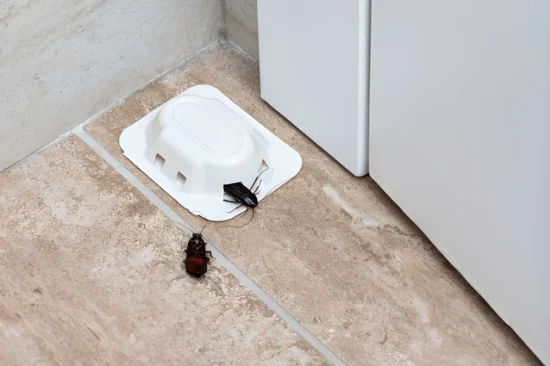
Spotting a single adult cockroach in a kitchen can be explained away as a visitor from outdoors. Spotting a small, pale or dark-brown juvenile is harder to dismiss. Young cockroaches are far less mobile than adults, they stay close to where they hatched, and they need food, moisture, and shelter within a short distance. Seeing them usually means a population has been developing nearby for some time.
That makes juvenile activity useful as a clue about the building itself. Cabinet voids, utility penetrations, appliance cavities, and wall spaces that nobody can easily reach all provide the warmth and protection roaches need. The sections below explain what juvenile sightings suggest, which construction features support hidden breeding areas, and how kitchen design and maintenance can make problems easier to find and fix.
Why Juvenile Cockroaches Point to a Nearby Source
Cockroaches develop through stages. Eggs are laid in protective cases, and the hatched nymphs grow through several molts before reaching adulthood. Nymphs look like smaller, wingless versions of adults, and their color and size vary by species and stage. They are generally more cautious than adults and tend to stay in tight, sheltered spaces during the day.
Because nymphs do not travel far, finding them in a kitchen suggests that the hatching site is close. An adult can wander in from outside, but a nymph found beneath a sink or behind a refrigerator more likely came from a nearby harborage. The presence of several sizes of nymphs in the same area suggests reproduction over a period, not a single arrival.
Different species behave differently. German cockroaches, a common indoor species, live and breed inside buildings and favor warm, humid places near food. Larger species such as American cockroaches often live in sewers, basements, and utility areas and may enter from there. Identifying the species matters, because it points to different sources and different responses.
Sightings during the day are another clue. Roaches are mainly nocturnal and avoid light, so juveniles seen in daylight can mean that hiding places are crowded. That is a reason to take any sighting seriously and to look beyond the spot where the insect appeared.
What Juvenile Activity Says About Shelter, Warmth, Moisture, and Food
Cockroaches need four things to establish a breeding area: shelter, warmth, moisture, and food. Kitchens often provide all four in close proximity. Warm motors behind refrigerators and dishwashers, steam from cooking, leaking pipes beneath sinks, and crumbs or grease in hard-to-clean spots create ideal conditions.
When juveniles appear, each of these elements deserves a check. Moisture sources include dripping faucets, leaking supply lines, condensation on pipes, and damp cabinet floors. Food sources include grease behind the stove, crumbs under appliances, and unsealed pantry goods. Warmth and shelter come from the structure itself, which brings the discussion to the parts of a building that are hard to inspect.
People searching for information about baby roaches in kitchen spaces often learn that the visible insect is only part of the story. Finding baby roaches in kitchen cabinets commonly indicates a breeding area within a few feet, so the search should focus on the area around the sighting. Checking beneath and behind appliances, inside cabinet corners, and along the edges of countertops often reveals more insects, droppings, or shed skins.
Droppings that look like pepper grains or smears, a musty odor in heavy infestations, and egg cases are additional signs. These clues help a professional decide where to focus inspection and treatment.
Construction Features That Create Hidden Breeding Areas
Buildings contain many voids that are invisible during normal use. Cabinets often have gaps behind or beneath them where walls and floors meet imperfectly. Hollow spaces inside toe kicks, behind back panels, and between countertops and walls are warm and rarely disturbed. Roaches use them freely.
Utility penetrations are another common route. Holes around plumbing pipes, gas lines, and electrical conduits are frequently larger than the pipe, and the gap may be left open or filled with material that has shrunk. These gaps connect kitchens to wall cavities, adjoining units, and crawl spaces, giving roaches a protected path to travel and breed.
Appliance cavities add warmth and shelter. The area behind a refrigerator, beneath a dishwasher, or inside a stove housing often contains debris and food residue that is difficult to clean. Motors and compressors supply heat, which accelerates development. Spaces behind stoves, in particular, can hold grease that builds up over years.
Wall spaces that cannot be reached, such as chases for pipes, voids around bathtubs, and spaces behind tile, can hide populations for long periods. In multi-unit buildings, shared walls and pipe chases allow insects to move between apartments, so a problem in one unit may require attention in several.
Design Considerations for Kitchens That Are Easier to Inspect and Maintain
Good design can reduce the places pests hide and make inspection easier. Accessible service gaps are a good example. Appliances that can be pulled out easily and cabinet bases that allow cleaning beneath them make routine care realistic. When a space can be reached, it is more likely to be cleaned.
Design features worth considering include the following:
- Sealed joints between countertops, backsplashes, and walls
- Escutcheon plates or sealant around pipe penetrations
- Cabinets with solid backs and tight toe-kick enclosures
- Moisture-resistant materials beneath sinks and around dishwashers
- Smooth, easy-to-clean surfaces behind and beneath appliances
- Access panels for plumbing and utility spaces
Moisture-resistant detailing matters because water is often the limiting factor for roaches. Waterproof flooring, sealed edges around sinks, and properly drained dishwashers reduce the damp areas that sustain them. Regular checks for leaks keep small problems from becoming persistent ones.
Renovations are a good time to improve these details. Opening a wall or removing a cabinet gives the chance to seal gaps, repair pipes, and clean areas that are normally hidden. Contractors and designers who understand pest access routes can build in features that make the finished kitchen easier to maintain.
Responding to Juvenile Activity
When juveniles are found, a systematic response works better than spot treatment. Start with a thorough inspection and record where insects, droppings, and egg cases appear. Use a flashlight and a mirror to examine dark areas. Sticky monitoring traps placed along walls and beneath appliances show where activity is heaviest and help track progress.
Sanitation supports every other step. Clean grease and food residue from stoves, counters, and floors, empty trash regularly, and store food in sealed containers. Fix leaks and dry wet areas. Pet food should be picked up overnight. These steps reduce food and moisture, which limits growth.
Exclusion comes next. Seal gaps around pipes, repair damaged caulk, and close cracks in walls and baseboards. Where hidden voids are involved, access may need to be created, or sealing may require professional help.
Because roach populations hide well and breed quickly, professional assessment is often the practical choice, especially when nymphs appear repeatedly. A technician can identify the species, find the harborage, and recommend a plan that suits the building. After treatment, continued monitoring confirms whether the problem has been resolved. Keeping a simple log of dates, locations, and the number of insects caught on monitoring traps makes it easier to see whether activity is falling or simply moving to another part of the kitchen.
End Note
Juvenile cockroaches are small, but they communicate something specific: suitable shelter, warmth, moisture, and food exist nearby, and breeding is likely taking place close to where they were seen. That information is more valuable than the sighting itself, because it directs attention to the building conditions that allowed the population to form.
Understanding cabinet voids, utility penetrations, appliance cavities, and inaccessible wall spaces helps homeowners, landlords, and builders reduce risk. Kitchens that can be inspected, cleaned, and kept dry give roaches fewer places to hide and make any future problems easier to find.
Reading these signs early gives owners a chance to correct moisture, gaps, and access problems while they are still small, and it saves effort compared with repeated treatment of a breeding area nobody has found.Read more at https://kdarchitects.us/.