
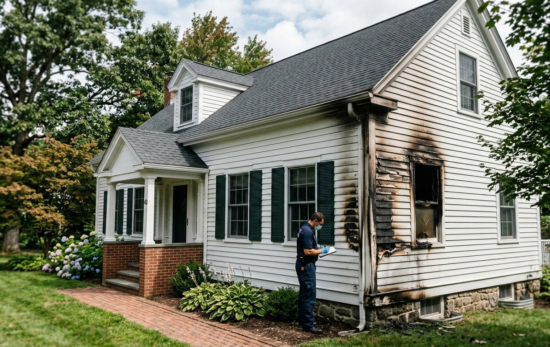
A house fire is one of the most devastating emergencies a property owner can experience. Beyond the immediate danger of flames, fire incidents often leave behind severe structural damage, toxic smoke contamination, and water damage from firefighting efforts. According to the National Fire Protection Association (NFPA), U.S. fire departments respond to more than 350,000 residential fires each year, causing billions of dollars in property damage. Similar trends occur across Canada, where residential fires continue to impact thousands of homes annually.
While the fire itself may last only minutes, the aftermath can affect a property for weeks or even months if not handled properly. Fire damage restoration is a specialized process that goes far beyond basic cleaning. It requires trained technicians, advanced equipment, and careful remediation procedures to restore safety and livability to the property.
Understanding what happens after a fire — and the steps homeowners should take — can make a significant difference in recovery.
The Hidden Damage After a Fire
Many homeowners believe that once the flames are extinguished, the worst part is over. In reality, fire damage extends far beyond what is visible.
Even a small fire can leave behind multiple types of contamination and structural concerns.
Smoke and Soot Contamination
Smoke travels quickly through walls, ventilation systems, and ceilings. Even rooms that were not directly affected by flames may still experience heavy smoke damage.
Soot particles are highly acidic and can begin damaging surfaces within hours. Over time, they can discolor walls, corrode metal fixtures, and permanently stain furniture.
Structural Damage
Fire weakens building materials such as wood framing, drywall, and support beams. Extreme heat can compromise structural integrity, making certain areas of the home unsafe.
Professional inspection is necessary to determine whether structural elements must be reinforced or replaced.
Water Damage from Firefighting
Ironically, the process of extinguishing a fire often introduces another major issue: water damage. Firefighters may use thousands of liters of water to control flames.
If moisture is not removed quickly, it can lead to:
- Mold growth
- Wood warping
- Structural deterioration
- Electrical hazards
This is why fire restoration often includes both fire damage cleanup and water damage remediation.
Why Professional Fire Damage Restoration Is Essential
Attempting to clean a fire-damaged property without professional equipment can be dangerous and ineffective.
Specialists in fire damage restoration use advanced methods to safely remove contamination and restore indoor environments.
Companies such as Ideal Response fire damage restoration services provide comprehensive remediation that addresses every stage of the recovery process, from initial inspection to final restoration.
Professionals typically follow strict industry standards such as those established by the Institute of Inspection Cleaning and Restoration Certification (IICRC) to ensure safe and effective remediation.
The Fire Restoration Process Explained
Although each incident is unique, most fire restoration projects follow a structured process to ensure complete recovery.
1. Emergency Response and Property Assessment
Time is critical after a fire. Restoration teams conduct an immediate inspection to assess:
- Structural safety
- Smoke and soot spread
- Water damage levels
- Hazardous materials present
This evaluation helps create a detailed restoration plan.
2. Securing the Property
Fire-damaged buildings are often exposed to weather, vandalism, or theft. Restoration teams typically secure the structure using:
- Emergency board-up services
- Roof tarping
- Structural stabilization
These measures prevent further damage during the cleanup process.
3. Water Removal and Drying
If firefighting efforts introduced water into the property, industrial drying equipment is used to remove moisture.
This step often involves:
- High-capacity water extractors
- Dehumidifiers
- Air movers
- Moisture detection tools
Quick drying helps prevent mold and secondary damage.
4. Smoke and Soot Removal
Removing soot requires specialized cleaning techniques depending on the surface type.
Technicians may use:
- HEPA vacuum systems
- Chemical sponges
- Thermal fogging
- Ozone treatment
- Air scrubbers
These methods help eliminate lingering smoke particles and odors.
5. Cleaning and Sanitization
All salvageable items such as furniture, clothing, and electronics must be carefully cleaned and deodorized.
Advanced deodorization methods neutralize smoke odors trapped in porous materials like carpets and upholstery.
6. Repair and Full Restoration
The final stage involves repairing damaged building components, which may include:
- Drywall replacement
- Flooring installation
- Cabinet reconstruction
- Electrical repairs
- Painting and finishing
The goal is to return the property to its pre-fire condition.
Health Risks After a Fire
Fire-damaged environments can present serious health risks if not properly cleaned.
Smoke residues may contain harmful chemicals including:
- Carbon monoxide byproducts
- Polycyclic aromatic hydrocarbons (PAHs)
- Toxic combustion particles
Exposure can cause respiratory irritation, headaches, and long-term health complications.
Professional restoration teams use protective equipment and air filtration systems to ensure contaminated areas are properly treated before occupants return.
Fire Damage Statistics Homeowners Should Know
Understanding how common fires are can help property owners appreciate the importance of preparation and fast recovery.
Here are several key statistics:
- Residential fires account for nearly 75% of all fire-related property damage.
- Cooking equipment causes approximately 49% of house fires.
- Electrical distribution systems are responsible for around 9% of residential fires.
- The average property loss from a residential fire exceeds $25,000.
These numbers highlight how quickly a fire can escalate from a minor incident to a major financial and emotional burden.
Tips to Reduce Fire Risk at Home
While not all fires can be prevented, many incidents occur due to avoidable hazards.
Homeowners can significantly reduce fire risk by following these safety practices:
- Install smoke detectors on every floor of the home
- Test smoke alarms monthly
- Avoid overloading electrical outlets
- Keep flammable materials away from heat sources
- Maintain heating systems and chimneys annually
- Never leave cooking appliances unattended
Simple preventive steps can dramatically reduce the likelihood of fire emergencies.
Choosing the Right Fire Restoration Company
After a fire, selecting the right restoration team is critical for a safe recovery.
Look for companies that offer:
- 24/7 emergency response
- Certified restoration technicians
- Experience with insurance claims
- Full-service remediation and reconstruction
- Advanced drying and cleaning equipment
Working with an experienced restoration provider ensures the property is properly restored and safe for occupancy.
If you want to learn more about professional fire recovery solutions, Ideal Response provides information about the complete fire damage restoration process and available services.
Final Thoughts
Fire damage can affect far more than the visible structure of a home. Smoke contamination, structural instability, and hidden moisture damage can create long-term risks if not handled properly.
Professional restoration teams combine expertise, specialized equipment, and rapid response to ensure damaged properties are safely restored.
For homeowners facing the aftermath of a fire, taking quick action and working with experienced restoration professionals can make all the difference in protecting both property and health.