
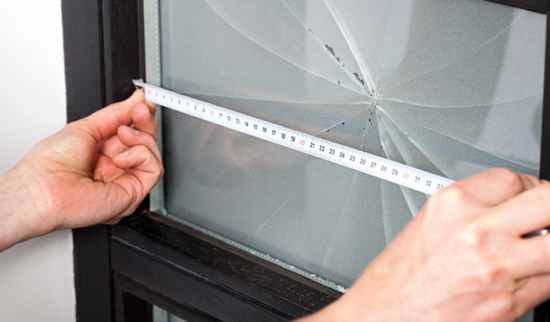
Glass is one of those materials we rely on every day without thinking much about it. It lets in light, keeps weather out, adds safety, and contributes heavily to how a space looks and feels. When glass is damaged, even slightly, it tends to disrupt more than just appearances. A small crack or chip can affect insulation, safety, noise control, and long term durability.
This guide takes a practical, homeowner focused look at glass repair. It is written for people who want to understand what is happening with their windows, doors, or interior glass, and how to make informed decisions without rushing into unnecessary replacements.
Early in the process, many people search phrases like “glass repair near me” not because they want a quick sales pitch, but because they want clarity. What kind of damage is this? Is it urgent? Can it be repaired? This article aims to answer those questions in a grounded, non promotional way.
Why Glass Damage Should Never Be Ignored
Glass rarely fails all at once. In most cases, it degrades slowly. A small chip from debris, a hairline crack from temperature changes, or stress at the edges can seem harmless at first. Over time, these issues tend to expand.
Cracks weaken the structural integrity of the pane. In insulated glass units, even a tiny seal failure can allow moisture to enter, reducing energy efficiency and leading to fogging. For doors, railings, and safety glass, damage can compromise impact resistance and increase the risk of injury.
There is also the matter of efficiency. According to recent data from the U.S. Department of Energy, heat loss through windows accounts for a significant portion of residential energy waste, especially when seals are compromised or panes are damaged. Addressing glass issues early helps maintain indoor comfort and reduce unnecessary energy loss.
Common Types of Glass Damage
Understanding the type of damage you are dealing with is the first step toward deciding whether repair is possible.
Chips and Surface Impact
Small chips are often caused by stones, debris, or accidental impact. These are common in exterior windows and glass doors. If the chip is shallow and does not extend into a crack, repair is often possible.
Cracks
Cracks vary widely in seriousness. Short, stable cracks near the edge of the glass can sometimes be repaired, while long cracks that spread across the pane usually indicate deeper structural failure.
Fogging Between Panes
Fog or condensation inside double or triple pane glass is a sign of seal failure. While the glass itself may not be broken, the insulating performance has been reduced. In many cases, the insulated unit can be repaired or replaced without changing the entire window frame.
Scratches
Surface scratches are often cosmetic, especially on interior glass. Light scratches can sometimes be polished out, while deeper scratches may require pane replacement depending on visibility and use.
Repair vs Replacement: How the Decision Is Made
One of the most common questions homeowners have is whether repair is truly enough, or if replacement is inevitable. The answer depends on several practical factors.
Extent of the Damage
Minor, localized damage is more likely to be repairable. Damage that affects the edges, corners, or multiple areas usually points toward replacement.
Type of Glass
Tempered and laminated glass behave differently than standard annealed glass. Tempered glass, once damaged, typically cannot be repaired due to how it is manufactured. Laminated glass may allow for limited repairs depending on the issue.
Location and Function
Glass used for safety, such as in doors, railings, or shower enclosures, has stricter performance requirements. Even small defects in these areas may justify replacement rather than repair.
Age and Condition
If the glass is already old, inefficient, or paired with outdated framing, repair may only delay an inevitable upgrade. On newer installations, repair often makes more sense.
How Professional Glass Repair Works
Professional glass repair is a technical process, not a cosmetic patch. While methods vary depending on the damage, the goal is always to restore strength, clarity, and performance.
For chips and small cracks, technicians often use specialized resins that are injected into the damaged area. These resins bond with the glass, reducing visibility and preventing further spread. Once cured, the area is polished to restore smoothness.
For insulated glass units with seal failure, the repair may involve replacing the sealed unit while keeping the existing frame intact. This preserves the window structure while restoring insulation.
A well executed repair should improve both appearance and function, not simply hide the problem.
Safety Considerations You Should Know
Damaged glass is not just an inconvenience. It can be a safety issue.
Cracked glass is more vulnerable to sudden breakage, especially during temperature swings or storms. In high traffic areas, this risk increases. Sharp edges and weakened panels can cause injuries even without full shattering.
In commercial or rental properties, unresolved glass damage may also raise liability concerns. Regular inspection and timely repair reduce these risks significantly.
The Consumer Product Safety Commission continues to emphasize the importance of maintaining safety glazing in impact prone areas such as doors and bathrooms, where failures can result in serious injuries.
Interior Glass Deserves Attention Too
Glass repair is not limited to exterior windows. Interior glass elements are increasingly common in modern homes and offices.
Shower enclosures, mirrors, tabletops, and partitions all rely on glass that must remain structurally sound. Chips and cracks in these areas often worsen quickly due to humidity, movement, or daily use.
Because interior glass is often closer to people, clarity and safety matter just as much as durability. Addressing small issues early helps preserve both function and design.
Preventing Future Glass Damage
While not all damage can be avoided, there are practical steps that reduce risk.
Proper installation is one of the most important factors. Glass that is incorrectly fitted or under constant stress is more likely to crack over time.
Routine inspection helps catch early signs of trouble, such as small chips or seal deterioration. Cleaning glass with appropriate materials also prevents scratches and surface wear.
For exterior glass, managing nearby landscaping and debris reduces impact risk during storms or high winds.
Making Informed Decisions Without Pressure
Glass repair is not something most people deal with often, which makes it easy to feel rushed or unsure. The best outcomes usually come from understanding the issue clearly before deciding on a solution.
Ask what type of glass is involved. Ask whether the damage affects safety or efficiency. Ask whether repair will restore performance or simply delay replacement.
When the answers are clear, the choice becomes easier, and often more cost effective.
Final Thoughts
Glass plays a quiet but essential role in how buildings function and feel. When it is damaged, the effects ripple outward into comfort, safety, and efficiency. Repair is often a practical and responsible option, especially when issues are addressed early.
By understanding the nature of glass damage and the repair process, homeowners and property managers can make decisions that protect both their spaces and the people who use them.