
Architecture Beyond Aesthetics
Architecture is not only about creating visually striking structures; it is about designing environments that support how people work, move, and collaborate. In modern offices, every design decision from spatial layouts to lighting, acoustics, and circulation, directly affects how efficiently the office functions. Architects and designers must consider not just the visual appeal of a workspace but also how it influences employee behavior, collaboration, and overall wellbeing.
Flexibility and Adaptable Workspaces
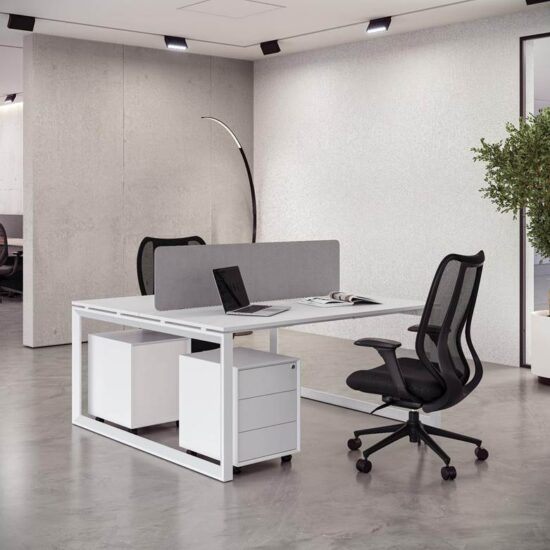
Modern offices increasingly prioritize flexibility. Businesses no longer expect employees to remain confined to a single desk or cubicle. Instead, they embrace spaces that can adapt to changing team sizes, project needs, or work styles. Open layouts, modular workstations, and multifunctional areas allow offices to transform seamlessly between collaborative and individual-focused zones.
Furniture solutions that support adaptability further enhance these spaces. Modular workstations can be rearranged to accommodate team expansions or restructured for collaborative projects. Ergonomic office chairs and height-adjustable desks provide comfort while supporting different postures throughout the day. Workstations, lounge furniture, and meeting pods help organizations create flexible environments that support both productivity and aesthetic coherence. Trusted suppliers such as Urban 411 office furniture offer options that combine functionality, design, and adaptability, fitting naturally into modern office planning.
Research Insight on Ergonomics and Productivity
A study published in the Journal of Environmental Psychology highlights the impact of ergonomically designed workstations on employee performance. Employees using ergonomically designed chairs and desks experienced fewer musculoskeletal issues, reported higher comfort levels, and demonstrated measurable improvements in focus and efficiency.
This research underscores the importance of integrating ergonomic furniture into office layouts. Selecting chairs and desks that support proper posture and movement is not simply a matter of comfort, it directly contributes to performance, reduces fatigue, and enhances employee satisfaction. Adaptable and ergonomic workstations are essential for creating office environments where employees can work efficiently and comfortably throughout the day.
Optimizing Comfort and Workflow
An effective office environment considers comfort, accessibility, and efficiency. Properly arranged workstations, meeting areas, and communal spaces allow employees to move freely and reduce the risk of strain or disruption. Furniture supports these principles by providing organized, practical, and visually cohesive solutions.
Some key elements for optimizing comfort and workflow include:
- Clear spatial flow: Ensuring employees can navigate the workspace without obstacles or confusion.
- Accessible workstations: Reducing unnecessary walking or reaching to maintain productivity.
- Strategic meeting and collaboration zones: Placing these areas where teams can interact without disturbing individual work.
- Integrated storage solutions: Maintaining clean and organized surfaces to reduce clutter and distractions.
Thoughtful integration of ergonomic and modular furniture ensures that architectural planning is complemented by functional and comfortable workspaces.
Sustainability and Long-Term Efficiency
Sustainability is no longer an auxiliary part of workplace design; it is now a fundamental priority. More and more, offices are being created to consume less energy, produce less waste, and be flexible to change over time. If the furniture is flexible and strong, businesses can alter their workstations without having to acquire new furniture all the time.
Using LED lights, materials that use less energy, and designs that are healthy for the environment all assist to make office work less harmful to the environment. Furniture that may be altered to meet the demands of the business over time includes modular workstations and desks with built-in storage. By picking solutions from trustworthy vendors, businesses may acquire furniture that is long-lasting, versatile, complies with their environmental goals, and looks professional.
Enhancing Aesthetics Without Compromising Functionality
Modern workplace design puts a lot of emphasis on style and visual harmony. A tranquil and productive space can be created by using clean lines, neutral colors, and simple layouts. Furniture is quite important for finding this balance because it provides useful solutions without making the area look too busy.
Workstations, comfortable chairs, meeting pods, and lounge furniture can all help with the overall design objective while also addressing the needs of people who work there. Putting these parts into the architectural plan in a way that makes sense makes sure that the spaces look good and work well.
Conclusion
The most effective modern workspaces are those where architectural planning and furniture selection work in tandem. Prioritizing flexibility, ergonomics, sustainability, and design coherence allows offices to enhance productivity, support collaboration, and reflect professional excellence.
By thoughtfully integrating adaptable workstations and ergonomic seating from trusted suppliers like Urban 411 office furniture, organizations can ensure that their workspaces remain efficient, comfortable, and visually cohesive. This holistic approach to office design creates environments that meet current operational needs while being prepared for future workplace demands.
Related Posts
Entry Door Trends to Transform Your Home in 2026
Your entry door is more than just a functional part…
Minimalist vs. Visual-Heavy Slides: AI Tools Compare the Outcomes
In the fast-paced world of startup pitches, investor decks, and…

From Renovation to Routine: A Step-by-Step Home Reset After a Remodel
You did it - the renovation is finally over! The…