
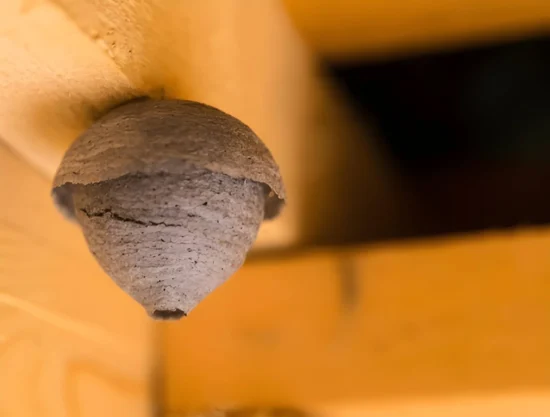
Architects spend a lot of time on how a building looks, performs, and ages, and far less on who might move in uninvited. Yet a roofline, a soffit, or a recessed entry can decide where wasps nest year after year. Homeowners often blame the insects when the same corner fills with nests every summer. In many cases the corner itself is the cause: sheltered from rain, shaded from midday sun, and shaped in a way that makes a perfect anchor point. Design choices made on a drawing board or during a renovation quietly shape that pattern. The sections below explain how wasps use building features, why species identification helps target the right areas, which design considerations reduce nesting opportunities, and how to keep the exterior inspectable and sealed.
Why Architecture Influences Where Nests Return
Wasps look for a protected place to anchor a nest, safe from rain, wind, and predators, and close to food and water. Buildings offer these conditions in abundance. Overhangs shed rain, eaves block wind, and the underside of a roof creates a dry ceiling that is easy to attach to. In Texas, where summers are long and warm, colonies can build quickly, and a single sheltered spot may host new nests across several seasons.
Repeat nesting happens because the qualities that attract a wasp do not change. A queen that emerges in spring searches for sites, often returning to features that resemble where wasps have nested before. Old nest remnants can leave scent cues, and a spot that worked for one colony remains structurally appealing to the next.
Architecture also shapes where nests can be reached and removed. A nest tucked beneath a high, complex roofline with no access is harder to inspect, and it may grow unnoticed until it is large and defensive. Recessed corners, deep soffit returns, and decorative details that create hidden pockets add to the problem.
None of this means that good design should be sacrificed. It means that small decisions, such as how a soffit is vented or how a joint is finished, can reduce the number of inviting spots without changing the look of a home.
Eaves, Soffits, and Exterior Voids Offer Protected Nesting Sites
Several building features appear again and again in wasp problems. Eaves and roof overhangs provide a sheltered ceiling directly above doors and windows, and the open space beneath is ideal for paper wasps, which build exposed combs hanging from a single stalk. Soffits, the finished surfaces beneath the overhang, often contain vents or gaps where wasps can enter and nest in the cavity above.
Wall cavities and structural voids give wasps enclosed space. Yellowjackets sometimes nest inside wall voids, entering through small cracks, damaged siding, or gaps near utility penetrations. The colony expands inside the wall, and the first sign may be a steady stream of insects at one spot on the exterior. Voids behind brick veneer, where weep holes allow drainage, and behind trim boards can serve similar purposes.
Recessed exterior details, including covered porches, entry alcoves, light fixture housings, gable vents, and the tops of columns, create small sheltered pockets. Mud daubers build tube-shaped nests of mud on walls, in corners, and in protected nooks, favoring surfaces that stay dry. Other wasps use hollows in decorative elements, hollow railings, and openings at the ends of pipes and conduits.
Architectural complexity multiplies these opportunities. A home with many roof planes, dormers, and deep reveals has more corners and shaded angles than a simple form. That is not a reason to avoid such designs, but it does call for thoughtful detailing and a plan for inspection.
Species Identification Points to the Right Building Areas
Not all wasps nest in the same places, so knowing which species is present helps determine where attention should go. Paper wasps usually build open, umbrella-shaped combs under eaves, on porch ceilings, and in sheltered corners. Mud daubers plaster mud cells onto walls, beams, and the undersides of overhangs. Yellowjackets nest in the ground or in wall voids and other enclosed cavities. Hornets and other large wasps may build large enclosed paper nests in trees, shrubs, or building overhangs.
Each type points to different areas. If paper wasps appear repeatedly, inspect eave edges, soffit corners, and porch ceilings. If mud daubers appear, look at walls, garage corners, and sheltered ledges. If yellowjackets are entering a wall, the issue may involve cracks or openings in siding or trim, and the colony may be inside the structure. Misreading the species can lead to treating the wrong area or sealing a void with an active nest inside, which can drive wasps into the living space.
A reference such as 7 common wasps in texas and how they impact you can help property owners learn the look and habits of the species they are most likely to meet, which makes it easier to match behavior to building features. Identification also informs safety. Some species are more aggressive, some nest in large numbers, and people with allergies need to take special care.
When in doubt, photograph the insect and nest from a safe distance and consult a qualified professional. Do not disturb a nest to get a closer look.
Design Considerations That Reduce Nesting Opportunities
Good detailing reduces the number of protected pockets without hurting appearance. The following considerations are worth including in new designs and renovations:
- Reduce unnecessary cavities by simplifying roof edges, avoiding deep recesses that serve no purpose, and filling voids behind trim and decorative elements.
- Screen suitable openings, such as soffit vents, gable vents, and weep holes, using corrosion-resistant mesh with openings small enough to exclude wasps while preserving required airflow and drainage.
- Keep roofline details inspectable, with reachable eaves, accessible attic and roof entry points, and surfaces that can be viewed from the ground or a ladder.
- Maintain exterior joints, sealing gaps around windows, doors, trim, siding, and utility penetrations with durable sealant, and replacing it when it cracks or shrinks.
- Choose smooth finishes on soffits and ceilings of porches, which are harder for nests to grip than rough textures or exposed beams with deep grooves.
- Cap and screen the open ends of pipes, railings, and conduits.
Screening needs care. Attic ventilation, weep holes, and roof vents serve building performance, and blocking them can cause moisture or heat problems. Use mesh that maintains the required net free area, and consult a building professional when altering ventilation. Weep holes in masonry should be screened but not sealed shut.
Species also vary across Texas, so a source like 7 common wasps in texas and how they impact you is useful when deciding which features to prioritize, since a home facing mostly paper wasps needs different details than one with a yellowjacket problem.
Lighting and landscaping matter as well. Bright lights near eaves draw insects that wasps hunt, and nearby flowering plants and water sources attract foragers. Position fixtures and plantings with that in mind.
Keeping the Exterior Inspectable and Sealed
Even a well-designed home needs a routine. Walk the exterior in early spring, before colonies grow, and again in summer. Look under eaves, behind downspouts, on porch ceilings, around light fixtures, in garage corners, and at vents and weep holes. Early nests are small, often the size of a coin, and they are easier to manage before the colony builds up.
Watch for activity. A steady stream of wasps entering or leaving a crack, a buzzing sound in a wall, or wasps repeatedly returning to one spot suggests a hidden nest. Do not seal a hole that an active colony uses, since trapped wasps may chew through drywall and enter the home. Instead, have the nest identified and removed first, then repair the opening.
Keep maintenance current. Repaint and recaulk trim as needed, repair damaged siding and soffit panels, replace torn vent screens, and fill gaps promptly. Trim tree branches that touch the roof and keep vegetation away from walls, since they offer wasps travel routes and shade. Remove old nests after the season so that they do not signal a good spot for the next queen.
Safety deserves emphasis. Large or hidden nests, nests in wall voids, and any nest that the occupant cannot reach safely should be handled by a licensed professional, particularly for people with allergies to stings. Avoid spraying from a ladder, which can lead to falls, and avoid disturbing nests at midday when activity peaks.
End Note
Wasps nest where buildings give them shelter, and many of those spots come from design details that can be adjusted. Eaves, soffits, roof overhangs, wall cavities, and recessed exterior features all create protected pockets, and repeating nests often point to the same features year after year. Identifying the species helps match the response to the right area, and design choices such as reducing cavities, screening openings, keeping rooflines inspectable, and maintaining joints cut down the opportunities. With regular checks and timely upkeep, a Texas home can stay comfortable without becoming a favorite nesting site.Read more at https://kdarchitects.us/.