
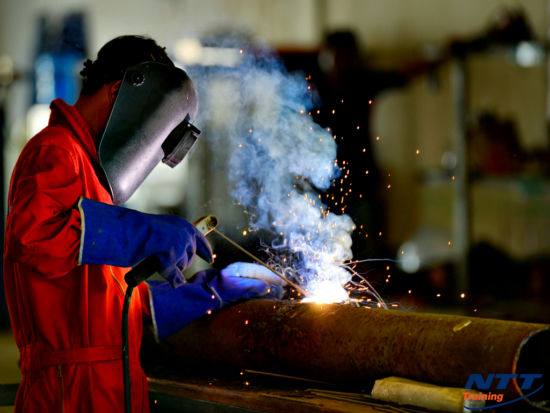
Welding plays an essential role in countless industries, from construction and manufacturing to custom fabrication and infrastructure. While it’s a highly skilled trade, it also involves significant risks when proper safety practices aren’t followed. Whether you’re commissioning a project or simply working around welding operations, understanding basic safety principles helps protect people, property, and project timelines.
Understand the Hazards Before Work Begins
Before any welding project starts, it’s important for clients to recognize the inherent hazards of welding work. Welders work with intense heat, electricity, and molten metal. Without controls in place, these elements can lead to serious injury. Common risks include burns from sparks and spatter, eye injury from UV light, and respiratory problems from inhaling welding fumes. Awareness of these hazards sets the foundation for safety planning and communication with your welder or fabrication team.
Ensure Proper Personal Protective Equipment (PPE)
The cornerstone of welding safety is personal protective equipment. Welders should always wear appropriate PPE, including:
- Welding helmets with proper filter lenses to protect eyes from UV and infrared radiation.
- Fire-resistant clothing such as leather aprons, gloves, and long sleeves to shield skin from burns.
- Welding gloves rated for high heat to prevent hand and forearm injuries.
- Safety boots with protective toes and non-slip soles.
- Respiratory protection when welding in areas with limited ventilation or materials that produce hazardous fumes.
Maintain a Safe Work Environment
Safety isn’t just about protective gear, it’s also about controlling the work environment. Clients should ensure that the workspace is clean and free of unnecessary flammable materials. Sparks can easily ignite paper, sawdust, or improperly stored chemicals. Fire extinguishers should be readily accessible, and fire watches should be used for projects with elevated risk.
Good ventilation is also critical. Welding produces fumes and gases that, in concentrated amounts, can be harmful if inhaled. Ventilation systems, exhaust hoods, and fresh air circulation help keep air quality safe for workers and those nearby.
Communicate About Project Scope and Hazards
Clients who clearly communicate the scope of work, project timeline, and any special conditions help welders plan appropriately and assess potential hazards. For example, welding in confined spaces, elevated areas, or around electrical systems may require additional safety measures or permits. Advance communication allows the fabrication team to prepare the necessary safeguards and minimize disruptions.
Respect Electrical Safety Protocols
Welding uses high-amperage electrical equipment. Proper grounding of machines, regular inspection of cables and leads, and safe handling of electrical connections are crucial. Faulty electrical equipment or exposed wiring presents a risk of shock or fire. Clients should confirm that all welding machinery is inspected and maintained according to industry standards before work begins.
Prioritize Training and Certification
Safety often correlates directly with skill. Make sure the welding team performing the work is properly trained and certified for the processes involved. This includes knowledge of machine operation, safety procedures, and emergency protocols. Certifications from recognized organizations demonstrate that a welder has met industry safety and performance benchmarks.
Monitor and Enforce Safe Practices
Clients should feel empowered to ask questions and verify that safety protocols are being followed throughout a project. Supervisors or safety officers should conduct regular checks to ensure compliance with safety standards and address any emerging issues promptly.
Conclusion
Welding is a powerful craft, but it’s also a discipline where safety cannot be overlooked. By understanding the hazards, supporting the use of proper PPE, maintaining a safe environment, communicating clearly, and insisting on trained professionals, clients help create safer job sites and more successful outcomes. With the right precautions in place, welding projects can proceed efficiently, confidently, and without unnecessary risk.