
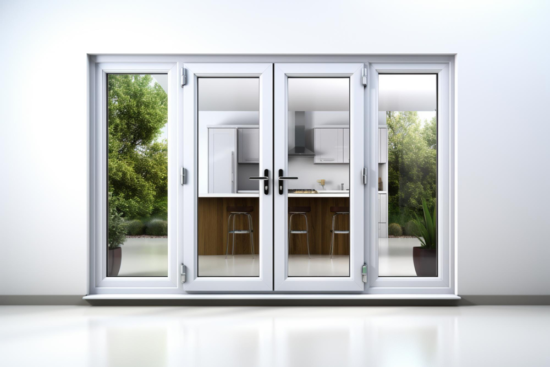
Home improvement projects tend to fall into two camps. There are cosmetic upgrades that make a space look better, and there are structural upgrades that quietly improve how your home works every day. Windows and doors sit firmly in the second camp. They influence comfort, energy use, natural light, noise levels, and even how secure your home feels. Yet many homeowners underestimate their impact because these elements blend into the background of daily life.
When you step back and evaluate your home as a system rather than a collection of rooms, windows and doors become central players. Understanding how they perform and when they need attention can help you make smarter decisions that pay off for years.
Why Windows and Doors Deserve a Closer Look
Windows and doors act as the boundary between your indoor environment and the outdoors. Every draft, temperature swing, and burst of street noise usually has a path through these openings. Older or poorly installed units can quietly undermine your home’s performance without obvious warning signs.
For homeowners researching upgrades or planning phased improvements, learning about replacement windows and doors can provide clarity on what modern designs actually solve. This is not about chasing trends or making impulsive upgrades. It is about understanding how today’s products address problems that older construction standards simply did not anticipate.
One recent analysis from the U.S. Department of Energy shows that heat gain and loss through windows accounts for roughly 25 to 30 percent of residential heating and cooling energy use. That statistic alone highlights why windows and doors are often addressed as part of broader efficiency improvements rather than isolated cosmetic projects.
Comfort Starts at the Edges of Your Home
Comfort is often described in terms of temperature, but it is more nuanced than that. Drafts near windows, uneven floor temperatures, and cold spots near exterior doors all affect how a room feels, even if your thermostat reads a comfortable number.
Modern window and door systems are designed to reduce air infiltration and improve insulation at these critical edges. Multi pane glass, improved frame materials, and tighter seals all contribute to a more consistent indoor environment. Homeowners often notice that rooms near upgraded windows feel more usable throughout the year, especially during extreme seasons.
Noise reduction is another overlooked comfort factor. Homes near busy streets, schools, or commercial areas can benefit significantly from updated glazing and door construction that dampens outside sound. This improvement is subtle but meaningful, especially in bedrooms and home offices where quiet matters most.
Energy Efficiency Without Overcomplicating the Decision
Energy efficiency can feel intimidating because it is often wrapped in technical terms and ratings. In reality, the core idea is simple. Efficient windows and doors reduce the workload on your heating and cooling systems by slowing the transfer of heat.
According to data published by ENERGY STAR, homeowners who upgrade from single pane windows to certified efficient models can save an average of 12 percent on energy bills nationwide, with higher savings in regions that experience more extreme temperatures.
https://www.energystar.gov/products/building_products/residential_windows_doors_and_skylights
While savings vary based on climate, home design, and usage habits, the long term trend is consistent. Better performing windows and doors lead to more predictable energy costs and less strain on HVAC systems. Over time, this can extend the life of major equipment and reduce maintenance surprises.
Light, Layout, and How Rooms Actually Feel
Windows and doors do more than regulate temperature. They shape how light moves through your home and how connected your interior spaces feel to the outdoors. Poorly placed or outdated units can make rooms feel darker or more closed off than necessary.
Thoughtful upgrades often focus on glass clarity, frame thickness, and sightlines. Slimmer frames and clearer glazing can increase visible glass area without changing the size of the opening. This brings in more natural light and can make rooms feel larger and more inviting.
Doors play a similar role. A well designed patio or garden door can transform how a living space functions by creating a visual extension to the outdoors. Even subtle improvements in door design and placement can change how often you use certain rooms throughout the day.
Security and Peace of Mind
Security is rarely the first topic raised in home improvement discussions, but it is one of the most important. Windows and doors are primary access points, and their construction matters.
Modern designs incorporate reinforced frames, improved locking mechanisms, and impact resistant glass options. These features are not about turning a home into a fortress. They are about reducing vulnerabilities and increasing peace of mind without sacrificing aesthetics.
For families, this can also include safety considerations such as easier egress in emergencies and hardware that is intuitive to operate. Good design balances protection with practicality, making the home safer without adding complexity.
Durability and Maintenance Over Time
One of the biggest frustrations homeowners face is recurring maintenance. Peeling paint, warped frames, and difficult operation are common complaints with older window and door materials.
Advancements in manufacturing have led to materials that resist moisture, temperature changes, and everyday wear more effectively. This reduces the time and money spent on upkeep and helps maintain consistent performance over the life of the product.
Durability also affects resale value. Home inspectors and buyers tend to notice windows and doors quickly because they signal how well a home has been maintained. Units that operate smoothly and show minimal wear create a strong first impression and reduce negotiation friction during a sale.
Planning Improvements Without Overwhelm
Not every home needs immediate, full scale upgrades. A practical approach starts with observation. Notice which rooms feel drafty, which windows are difficult to open, and where condensation regularly appears. These are often the areas that benefit most from early attention.
Phased improvements allow homeowners to spread costs while still making meaningful progress. Starting with the most problematic areas can deliver noticeable comfort and efficiency gains without requiring a complete overhaul.
Consulting professionals who understand both building science and real world living conditions can help translate technical options into practical recommendations. The goal is not to chase the most advanced feature set, but to choose solutions that align with how you actually use your home.
Windows and Doors as Long Term Investments
Home improvement decisions are rarely just about today. Windows and doors influence daily comfort, monthly expenses, and long term property value. They are among the few upgrades that touch nearly every aspect of home performance.
When viewed through that lens, these components stop being background features and start being strategic assets. Thoughtful choices, informed by how modern designs address old problems, can quietly improve your quality of life in ways that add up year after year.
By understanding how windows and doors function as part of a larger system, homeowners can move beyond surface level improvements and invest in changes that truly support the way they live.
Related Posts
How to Choose the Right Home Renovation Contractor (Without Losing Your Mind or Your Budget)
Hiring a home renovation contractor should feel exciting, not scary.…
Complete Storm Damage Cleanup After Wind, Rain, or Hail
Storms can form in the blink of an eye and…
Home Improvement With a Purpose: Where Style Meets Strategy
Have you ever walked into a newly updated home and…