
Every structure has a backstory. There are some tales of waste and shortsightedness. Others are stories of care, balance, and progress. Sustainable and innovative kdarchitects are about writing the second story. They design with the planet in mind but also with people at the center.
In the United States, the pressure to rethink buildings has grown. Energy bills keep rising, climate events keep hitting harder, and communities ask for healthier spaces. Sustainable and innovative KDArchitects answer these calls with designs that cut waste, use clean energy, and support daily life.
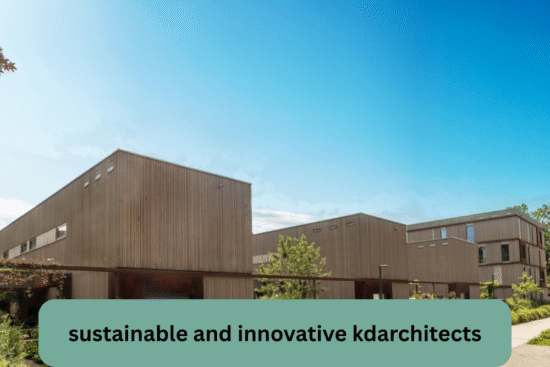
When people hear “sustainable,” they often think of solar panels or recycling bins. For architects, however, it entails considering a building’s entire lifespan. From the day it is planned to the day it is taken down, every choice matters. Materials, energy, water, air quality, and waste all connect.
Innovation is the other side. Innovation means not sticking to old habits. It’s about testing new materials, trying new layouts, and using digital tools to design smarter. When sustainable and innovative KD Architects combine both, the result is buildings that work better for people and for the planet, much like the vision seen in kdarchitects landscape ideas by roger morph.
The Significance of It in the US
In the US, buildings account for over 40% of total energy use. They contribute significantly to emissions as well. Regulations to reduce those numbers are being passed by cities ranging from San Francisco to New York. That means every new building needs to meet higher standards.
But this is not only about numbers. People want better places to live and work. Parents want schools with fresh air and natural light. Workers want offices that don’t feel stuffy or dark. Families want homes with lower bills. Sustainable and innovative KDArchitects are the link between those needs and real solutions, often reflected in the kdarchistyle architecture styles by kdarchitects that balance comfort, function, and design.
The Fundamental Procedures
Efficiency of Energy
The energy we don’t utilize is the cleanest. Good insulation, well-sealed windows, and smart heating and cooling can cut waste by half or more. Nowadays, many businesses strive for “net zero” facilities, which generate as much energy as they consume. That might sound ambitious, but solar panels, battery storage, and passive design make it possible, especially with the advancements immersive experience kdarchitects bring to sustainable projects.
Materials with Low Impact
Concrete and steel have a heavy carbon cost. Sustainable and innovative KDArchitects look for better options. Recycled steel, reclaimed wood, or new mixes of concrete with lower carbon can reduce the footprint. Using local materials also avoids long transport emissions.
Water and Waste
Water is limited in many areas of the United States. Rain collection, greywater reuse, and low-flow fixtures help cut waste. Construction itself can also be wasteful. Prefabricated elements or modular systems reduce leftover scraps and shorten build time.
Healthy Indoor Air
People spend most of their time indoors. The resulting state is that air quality is indeed very important. Low-VOC paint, natural ventilation, and good filtration protect health. Large windows bring daylight in and improve mood and focus. Sustainable and innovative KDArchitects see comfort as part of sustainability, and more ideas can be explored at www. kdarchitects .net.
Standards That Guide the Work
In the US, several programs set the bar.
- LEED: A points-based system that measures energy, water, and material choices.
- WELL: Prioritizes human wellness in terms of light, comfort, water, and air.
- The Living Building Challenge promotes net-positive design, in which structures contribute more than they consume.
Not all of these certifications are labels. They foster trust. Owners are aware that the design fulfills its promises. Tenants know the building supports well-being.
Examples Across the Country
Across the US, projects already show what sustainable and innovative design can do.
In Atlanta, an academic building produces all its energy with solar panels and reuses rainwater. In Seattle, an office building runs almost entirely on clean power and recycles greywater. In California, affordable housing projects prove that green design is not only for the wealthy.
These examples prove that sustainable and innovative KDArchitects can adapt to different climates, budgets, and community needs.
The Obstacles
Of course, nothing is simple. Cost is one problem. Smart systems, novel materials, and solar panels are frequently more expensive initially. Long-term savings, however, typically offset that. Architects must show owners the bigger picture—lower bills, higher property value, and fewer repairs.
Another issue is awareness. Some customers think that sustainability entails making concessions. They worry about lost comfort or increased expenses. It is the role of sustainable and innovative architects to explain, prove, and sometimes even show with pilot projects that the benefits outweigh the fears.
And lastly, the performance challenge. Even if a design may seem flawless on paper, it must function well in real-world situations. For this reason, regular observation and appropriate upkeep are essential components of the procedure.
Beyond the Basics
Checking checklists isSustainability is not just about checking boxes. Innovation adds the creative layer.
Some firms now use digital twins—virtual copies of buildings that let designers test energy use or comfort before construction. Others try adaptive facades that move or shift with the sun. Another trend is retrofitting existing structures to give them new life rather than demolishing them.
All of these approaches keep pushing the field forward. Sustainable and innovative KDarchitects stay curious and ready to adapt.
Impact on the Community and Society
Energy conservation is just one aspect of green design. Fairness is also a factor. Families have more money for other necessities when their costs are lower. Healthy schools mean children learn better. Well-designed public spaces mean stronger community ties.
Sustainable and innovative architects often engage with local people in the design process. They pay attention, make necessary adjustments, and ensure that buildings are appropriate for the local context and culture.
The Money Side
Some owners worry about cost, but incentives exist. Tax credits for solar or energy-efficient systems are available through federal and state schemes. Energy-saving rebates are offered by certain utilities. Over time, sustainable buildings often earn higher rents or resale prices because demand is rising.
For developers and investors, sustainable and innovative kdarchitects are not just ethical—they are practical. Buildings that perform well hold their value and attract tenants.
Looking Ahead
The future will demand more. Cities will demand carbon reporting for materials as well as energy. Climate risks will shape codes and insurance. Occupants will keep asking for healthier, more flexible spaces.
Sustainable and innovative kdarchitects are ready for this future. They will design buildings that not only use less but actually give back—producing clean energy, restoring water cycles, and improving urban ecosystems.
Conclusion
Innovative and sustainable KDarchitects don’t follow trends. The extended range is set through them. Their work goes to show that a building can be efficient, cozy, and inspiring at once.
It’s not just an optional approach anymore given the massive energy consumption in the US and likely escalation in climate risk. It’s mandatory. Owners, tenants, and the community at large benefit when buildings save resources, promote health, and last longer—to sustain people in them and those around them.
Related Posts
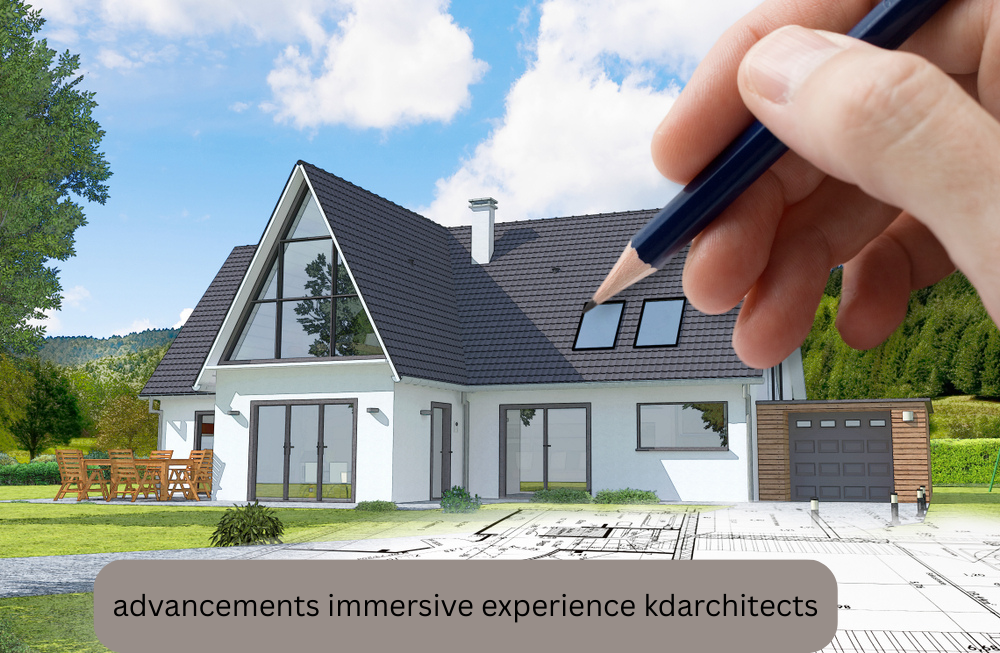
Advancements immersive experience kdarchitects Redefining Modern Design
Design today is about how a place makes someone feel.…
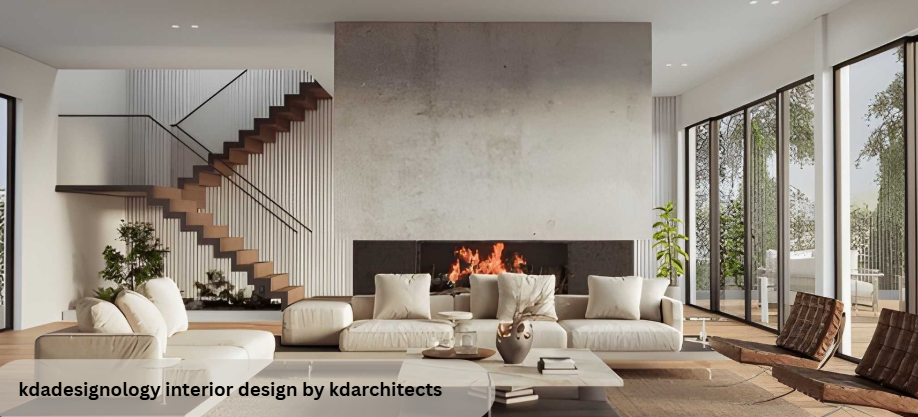
Transforming Spaces with KDADesignology Interior Design by KDArchitects
Interior design does not only entail the process of giving…
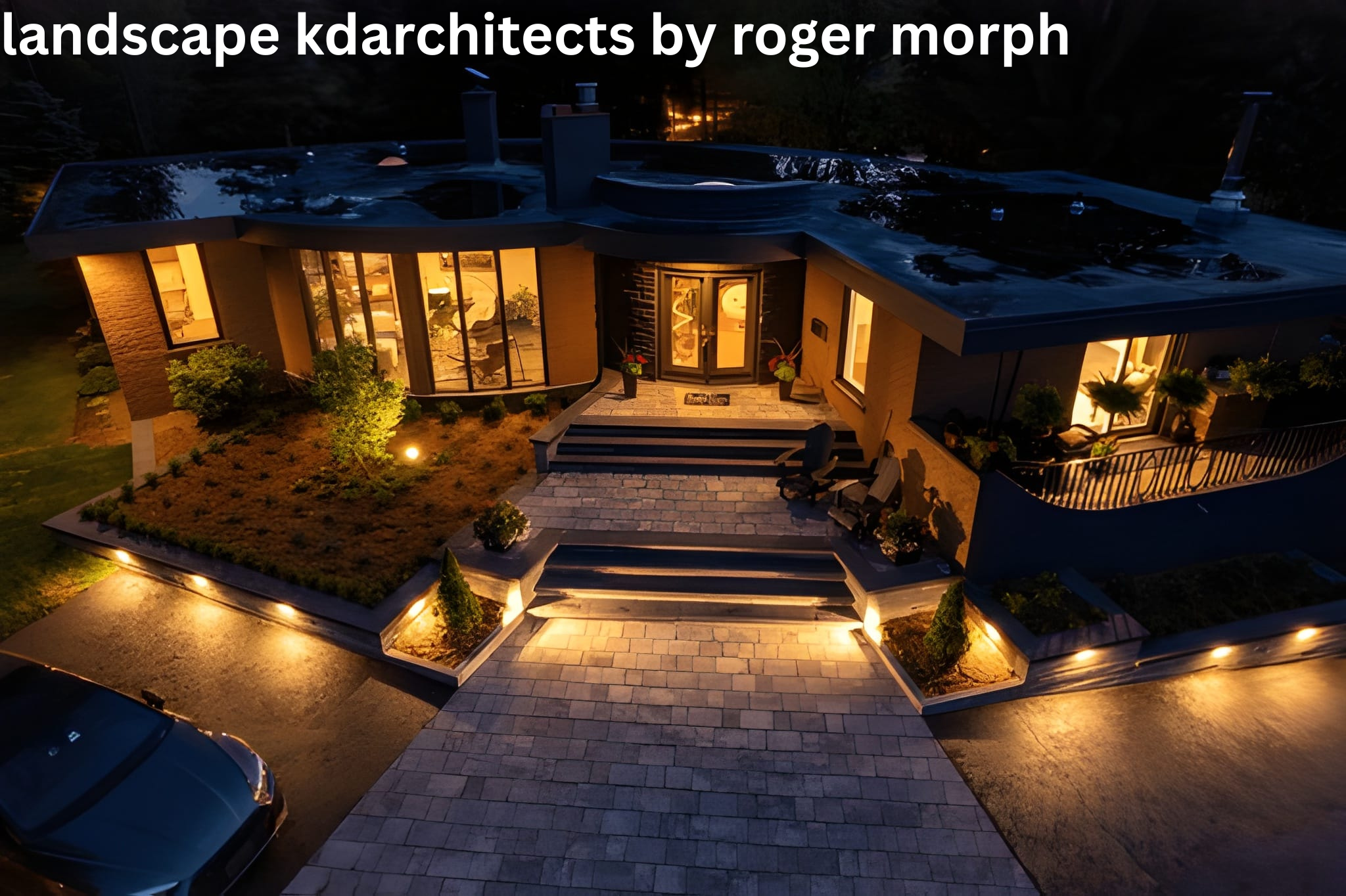
Top 5 Reasons to Choose Landscape KDArchitects by Roger Morph
The Landscape KDArchitects by Roger Morph is one of the…