
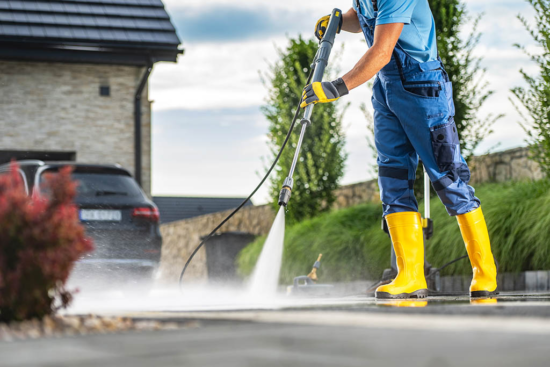
Step outside after a few humid weeks and you can usually spot it: dark streaks along gutters, green film where sprinklers hit the sidewalk, and a driveway that looks dull no matter how often you sweep. In a warm, wet climate, exterior grime is not just cosmetic. It can make surfaces slick, trap moisture, and speed up wear on concrete, pavers, stucco, and roof materials.
That is why many homeowners build pressure cleaning into their regular home care plan, right alongside interior deep cleans and seasonal touch ups.
In a typical residential cleaning schedule, full-service exterior pressure cleaning fits in as the outdoor counterpart to the work you do inside: removing buildup before it turns into damage.
Why exteriors get dirty fast in our climate
South Florida homes deal with a perfect recipe for buildup: frequent rainfall, warm temperatures, shaded landscaping, and surfaces that stay damp long enough for algae and mildew to take hold. Fort Lauderdale’s long term precipitation normal is about 68.77 inches per year, which helps explain why outdoor growth can return quickly after a stormy stretch.
A lot of what you see outside is not plain dirt. It is biofilm, including algae and mildew, holding onto moisture and feeding on organic debris. Left alone, that film can stain porous materials and make walkways feel slippery, especially in shaded spots.
Pressure washing vs soft washing: the difference that protects your home
Pressure cleaning is not one technique. The safest approach depends on the surface.
High pressure rinsing can work well on durable flatwork like concrete, but many exterior areas need a softer method. Soft washing uses lower pressure and appropriate cleaners to break down organic growth, then rinses gently. That is typically the safer choice for roofs, painted finishes, stucco, wood, and most siding.
If you have ever seen etched concrete, lifted paver sand, or splintered wood after a DIY attempt, the cause is usually pressure that was too high, held too close, or aimed at the wrong angle.
Where pressure cleaning makes the biggest difference
You can clean almost anywhere outside, but these areas give the best return in a residential setting.
Driveways and sidewalks
Oil, rust, tire marks, and ground in dirt settle deep into concrete and pavers. When algae forms, traction drops. Cleaning improves grip and makes cracks easier to spot before they spread.
Patios, pool decks, and screened areas
Outdoor living spaces collect sunscreen oils, food spills, and grit. Textured finishes and grout lines can hold moisture and discoloration. A careful clean keeps these zones more comfortable and safer for bare feet.
Exterior walls and entry areas
Stucco and painted block often show irrigation overspray, soil splashback, and roof runoff stains. Low pressure washing can remove film without forcing water behind trim or into hairline cracks.
Roof surfaces and gutters
Roofs are not a DIY playground. Too much pressure can damage shingles or tiles. For organic streaks, soft washing is generally the safer route, followed by controlled rinsing.
How often should a home be pressure cleaned
There is no single schedule, but a few cues are reliable:
- Green or black film returning on shaded concrete or pavers
- A darker north facing side of the home
- Slippery feel in the morning or after rain
- Visible streaking under gutters or along roof lines
Many homeowners find that once or twice a year keeps buildup manageable, with small spot cleans in high moisture areas like shaded walkways and pool decks.
DIY pitfalls to avoid
Pressure washers are powerful tools, and injuries can be more serious than they look. Medical research on high pressure injection injuries notes that these injuries can involve deeper tissue damage and infection risk, even when the surface wound appears small.
On the property side, the most common mistakes are:
- Using a narrow tip on concrete and leaving etched lines
- Blasting pavers and washing out joint sand
- Spraying upward under siding, soffits, or stucco edges and pushing water where it should not go
- Reaching for harsh chemicals without understanding how they react or where runoff goes
A safer rule is to start with the least aggressive method and increase only as needed.
What a good residential service visit includes
Quality pressure cleaning is more about process than brute force.
First comes a quick surface check for loose pavers, cracked grout, and areas where water intrusion is a concern. Next, sensitive landscaping and fixtures are protected, and the cleaning method is matched to the material. Flatwork should be cleaned evenly, walls should be treated gently, and roofs should be handled with low pressure techniques.
A simple end result check: concrete should look uniform without striping, paver joints should still be intact, and painted or coated surfaces should not look scuffed.
Small habits that help results last longer
After a proper clean, moisture control keeps the exterior from turning green again too quickly:
- Adjust sprinklers so they do not constantly spray walls and sidewalks
- Clear gutters and downspouts so runoff does not streak siding and entryways
- Trim back plants that keep shaded areas damp all day
Moisture control matters indoors too. EPA guidance on mold and moisture emphasizes that controlling moisture is the key step in preventing mold growth.
When it makes sense to call a pro
DIY can be fine for a small concrete pad, but professional help is worth it when:
- You have a roof to clean
- You have pavers and want to avoid joint damage
- You are dealing with recurring algae that needs proper treatment
- You want consistent results across large surfaces without striping
Pressure cleaning is one of the simplest ways to protect exterior materials and keep a home looking cared for, especially where humidity and rain are part of daily life. With the right method and a sensible schedule, it becomes routine residential maintenance, not a once in a while rescue project.