
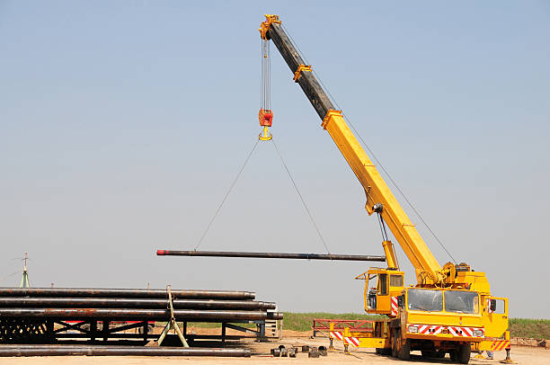
Modern architectural design is defined by bold ideas, open spaces, and materials that push the limits of what buildings can look like and how they function. Glass curtain walls, long-span roofs, exposed steel, and prefabricated elements are now common features in commercial and high-end residential projects. Behind these clean lines and dramatic visuals lies a less visible but essential process. Rigging and heavy lifting make it possible to turn architectural concepts into physical structures safely and accurately.
As designs grow more ambitious, the role of professional lifting and rigging continues to expand. Architects can envision larger components and more complex forms because the tools and techniques exist to lift, place, and secure them with precision.
The connection between design and constructability
Architectural creativity does not stop at the drawing board. Every design must be built, and many modern concepts rely on components that are too heavy or too large to move with conventional methods. Structural steel beams, precast concrete panels, oversized glass units, and modular building sections all require controlled lifting.
Rigging bridges design intent and construction reality. By coordinating lifts with construction sequencing, teams can install large architectural elements exactly as intended without compromising safety or quality. This gives designers greater freedom to specify materials and forms that would otherwise be impractical.
Lifting large-scale architectural elements
One of the defining traits of modern architecture is scale. Open floor plans and dramatic spans reduce the number of interior columns and walls. Achieving these spaces often requires massive beams or trusses that must be lifted into place with extreme accuracy.
Wire rope slings and chain slings are commonly used to lift these heavy structural elements. Their strength and durability enable loads to be raised safely while maintaining balance. Spreader beams are often added to the lift to distribute weight evenly and prevent bending or twisting during placement.
This level of control is critical when architectural features are exposed and intended to be seen. Any damage during lifting could compromise both structural integrity and visual appeal.
Precision placement for clean aesthetics
Modern architecture emphasizes clean lines and tight tolerances. Glass panels must align perfectly. Steel members are often left exposed as part of the design. Even slight misalignment can be noticeable and costly to correct.
Chain hoists and lever hoists play a key role in achieving this precision. These tools allow crews to raise or lower loads slowly and make small adjustments as elements are set into place. Instead of relying on force, workers can guide components into exact alignment.
Shackles and lifting hooks provide secure connection points throughout this process. Selecting properly rated hardware ensures stability while allowing the flexibility needed for fine positioning.
Supporting prefabrication and modular design
Prefabrication is increasingly popular in modern architectural projects. Walls, floors, and mechanical systems are often built off-site and delivered as large modules. This approach improves quality control and shortens construction schedules.
Rigging is essential to successful prefabrication. Modular units are lifted directly from delivery vehicles and placed into position using cranes, slings, and lifting beams. Because these modules often have finished surfaces, careful rigging protects them from damage during handling.
This process enables architects to design more complex assemblies with confidence, knowing they can be installed efficiently on site.
Managing complex lift paths in urban environments
Many modern architectural projects occur in dense urban settings where space is limited. Buildings are constructed near existing structures, streets, and utilities. Heavy lifting in these environments requires careful planning and precise execution.
Rigging professionals plan lift paths that avoid obstacles and minimize disruption. Adjustable slings, taglines, and controlled hoisting systems help guide loads safely through tight spaces. This capability supports architectural designs that maximize site use without sacrificing safety.
Enhancing safety while enabling creativity
Safety is a fundamental part of any successful architectural project. Improper lifting can cause damage to materials, delay schedules, and result in serious injuries. Professional rigging reduces these risks through load calculations, equipment inspections, and coordinated lifting plans.
By using rated lifting slings, properly sized shackles, and tested hoisting equipment, teams create a predictable lifting environment. This reliability allows architects and builders to focus on design execution rather than workarounds.
In many cases, the presence of professional rigging expertise allows designers to push boundaries because they know complex elements can be handled safely.
Collaboration between designers and rigging teams
The most successful modern projects involve collaboration early in the design process. When architects consider lifting and installation requirements from the outset, designs become more efficient to build. Rigging input can influence connection points, component sizes, and installation sequences without altering the overall vision.
This collaboration results in smoother construction phases and fewer changes in the field. It also reinforces the idea that rigging is not merely a construction necessity but a design enabler.
Building the future of architecture
Modern architecture continues to evolve, embracing larger components, innovative materials, and more expressive forms. Rigging and heavy lifting are essential to this evolution. They enable bold ideas to move from concept to reality safely and precisely.
By relying on lifting slings, hoists, spreader beams, and secure hardware, construction teams can execute complex designs exactly as envisioned. In doing so, rigging becomes a quiet yet powerful partner in shaping the buildings that define today’s architectural landscape.