
In the age of sustainable innovation, architecture is no longer just about structure—it’s about performance and environmental impact. As designers, developers, and homeowners increasingly prioritize energy-efficient, low-carbon solutions, materials like curved glass are playing a more important role than ever. Once valued mainly for its aesthetic appeal, curved glass is now being integrated with advanced technologies such as solar photovoltaics and electrochromic smart glass to create buildings that are not only visually striking but also self-regulating and energy-generating.
Research published in ScienceDirect highlights that the integration of smart and solar-responsive materials in building envelopes can significantly reduce a structure’s operational energy use, contributing to long-term sustainability. Specifically, dynamic glass technologies—like electrochromic glazing—can lower energy demand by automatically adjusting to external conditions, reducing reliance on mechanical HVAC systems. When paired with the form-enhancing benefits of custom-fabricated curved glass, these innovations mark a critical step forward in developing next-generation, climate-responsive buildings that meet both performance and design goals.
These innovations are not only helping to reduce HVAC loads and lighting demands, but are also pushing buildings closer to net-zero energy goals and LEED certification standards. At the core of this evolution is a material that’s as beautiful as it is functional—custom-fabricated curved glass, now smarter than ever.
How Curved Glass Is Made—and Why It’s Ideal for High-Tech Applications
Curved glass is created through a specialized process known as thermal bending (or hot bending), where flat glass is heated to high temperatures and shaped over molds to achieve precise curves. Once cooled and tempered, it retains both its shape and strength. This process, as demonstrated by Flickinger Glassworks, allows for an extraordinary range of customization, with professionals able to tailor the radius, size, thickness, tint, and coating to suit virtually any building or product design. Whether you need a sweeping curved façade, a cylindrical glass skylight, or a wave-shaped window feature, modern fabrication techniques ensure curved glass can be integrated into residential, commercial, or institutional projects of any scale. And now, with the rise of smart and solar glass technologies, curved glass isn’t just flexible in shape—it’s flexible in function.
Smart Glass Innovations and Curved Glass Compatibility
Electrochromic glass, often referred to as smart glass, changes its opacity or tint level when an electrical voltage is applied. This allows buildings to automatically adjust the amount of sunlight and heat that passes through the glass, depending on the time of day, interior temperature, or user preference. The benefits are significant: reduced glare, improved thermal comfort, and lower energy consumption for heating and cooling.
Traditionally, smart glass was limited to flat applications. But as manufacturing processes have advanced, it is now fully compatible with curved glass forms. Today’s curved smart glass can be:
• Programmed to respond to environmental sensors
• Integrated into building management systems (BMS)
• Divided into zones for localized tint control
• Paired with solar technologies for dual-purpose performance
This compatibility opens up a world of opportunities for adaptive building envelopes, where glass responds to environmental changes in real-time.
Curved Solar Façades and Skylights
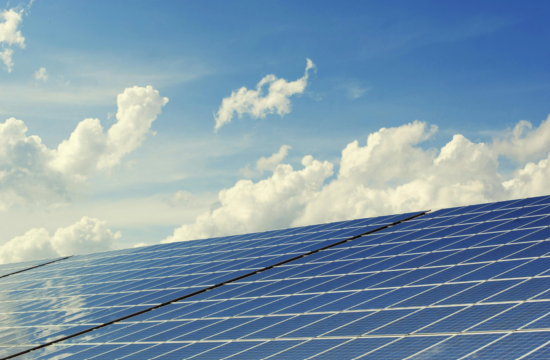
As per the IEA, one of the most exciting developments in sustainable architecture is the integration of photovoltaic (PV) technology directly into glass panels. Solar-integrated curved glass allows façades, skylights, and even canopy structures to generate clean energy while serving their architectural purpose.
Unlike traditional solar panels, solar glass can be semi-transparent, allowing natural light to filter through while still capturing solar energy. When shaped into curves, this glass offers better surface exposure to the sun throughout the day, increasing the efficiency of energy capture, especially on buildings with rounded or non-linear façades.
Examples of solar-integrated curved glass in architecture include:
• Atriums and lobbies with energy-producing skylights
• Storefronts and curtain walls that double as solar collectors
• Glass awnings and shading systems that generate power and block heat
These installations not only offset electricity use but also qualify buildings for green certifications and government incentives.
Automated Shading and Thermal Control
Pairing curved glass with automation takes energy savings to the next level. Motorized shading systems, like blinds or louvers, can be synced with electrochromic or photochromic curved glass to provide a dynamic response to sunlight, heat, or occupancy levels.
Smart curved glass can also:
• Adjust tint in response to interior temperatures, keeping spaces cool in summer and warm in winter
• Improve daylighting without increasing glare or UV exposure
• Reduce peak energy loads, easing the demand on HVAC systems during hot afternoons
Combined with AI-powered building management systems, these automated technologies make buildings smarter, more sustainable, and more comfortable for occupants—all while reducing energy bills.
Toward Net-Zero: LEED-Certified and Sustainable Applications
As environmental standards tighten globally, curved glass is proving to be a key component in net-zero and LEED-certified building strategies. Smart and solar-integrated curved glass helps meet critical requirements in categories such as:
• Energy & Atmosphere: Reduced HVAC use and renewable energy generation
• Indoor Environmental Quality: Enhanced natural light and visual comfort
• Innovation in Design: Use of advanced materials and technologies
Many green building projects are now using curved glass to meet or exceed certifications such as LEED, BREEAM, and WELL, making it a viable long-term investment for eco-conscious developments.
And because curved glass is recyclable and long-lasting, its sustainability extends beyond energy savings—it contributes to circular building practices, minimizing waste over the lifecycle of the structure.
Conclusion: Curved Glass Meets Clean Tech
In today’s sustainability-focused architecture, it’s no longer enough for buildings to be beautiful—they need to be intelligent, efficient, and environmentally responsible. Curved glass, once used primarily for aesthetics, has evolved into a high-performance material that now powers buildings, regulates indoor climates, and adapts to changing environmental conditions.
When paired with solar and electrochromic technologies, curved glass becomes a dynamic tool for shaping not just how buildings look—but how they live and breathe. As smart systems and clean energy continue to advance, curved glass will play an ever-larger role in building the sustainable, high-tech spaces of tomorrow. For more on the latest modern home design trends, do visit the rest of KDArchitects.
Related Posts
When to DIY vs. Hire a Professional Hedge Trimming Contractor in Tauranga
Last summer my neighbour spent an entire Saturday wrestling with…
How to Find the Right Spray Foam Insulation Contractor in Your Area
The selection of appropriate insulation is a very important issue…
Transforming Your Home With Purpose: A Practical Guide to Modern Renovations
When you invest in enhancing your home, you’re not just…