
Landscape kdarchitects roger morph is a design approach that treats outdoor space as part of daily life. Roger Morph works with KDArchitects to shape yards and gardens that feel useful, not just decorative. The focus is on space that connects to the house, plants that suit the region, and materials that last. Because climate, soil, and use vary by location, this is significant in the United States. A yard in Arizona needs different choices than a yard in Ohio. This article explains how landscape kdarchitects roger morph works. It will cover site reading, outdoor rooms, plant palettes, water-saving steps, small and large yard ideas, and life cycle costs. You will see how to apply these ideas to your own home and what to ask if you hire a designer.
Why landscape kdarchitects roger morph matters
Most yards in the US are either too hard to maintain or too bare to use. People plant grass that struggles in drought or lay concrete that cracks in frost. The outcome is a costly repair cycle. Landscape kdarchitects roger morph aims to break that cycle. It starts from daily life. Where do people walk? Where do they sit? What views do they want to keep? Once those answers are clear, the yard becomes part of the home.
A dining patio near the kitchen gets used. A shaded seat near a play area helps parents rest. A path that matches natural routes feels natural. These choices make the space functional.
This strategy’s long-term cost savings make it noteworthy as well. Local plants need less water. Durable hardscape lasts longer. Proper drainage prevents damage. Each step adds up to fewer chores and lower bills. That is why this method matters to homeowners who want beauty, efficiency, and sustainable living.
Core design principles Roger Morph is uses at KDArchitects
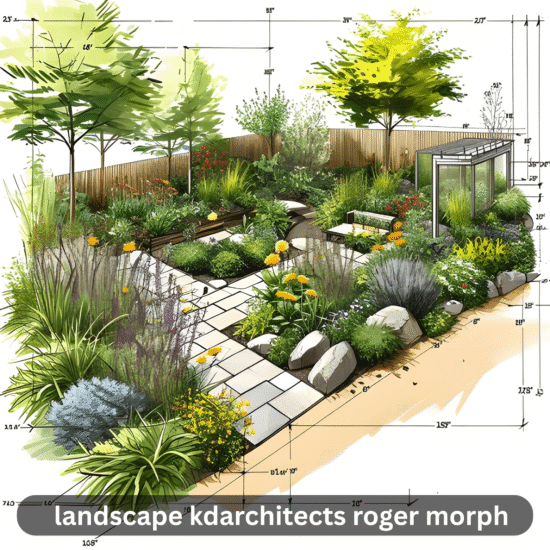
Roger Morph follows clear principles. First, function comes before looks. A yard should support life. That means paths where people walk, seats where people rest, and planting that can survive the climate. Second, unity matters. The house and yard should feel linked. Using the same tile inside and out connects the spaces.
Third, fewer strong elements work better than many small ones. Ten mismatched bushes require more maintenance than a single row of trees. Layering is another principle. Tall shade trees, medium shrubs, and low groundcover create structure. This gives privacy, beauty, and habitat for birds.
Finally, durability is a rule. Materials must survive weather and use. Spending more upfront on a strong base, good stone, or seasoned wood prevents early failure. These principles repeat in projects across the US and give homeowners results that last. This approach also reflects the sustainable and innovative KDArchitects style that many modern homeowners now prefer.
How to read a site by sun, wind, and views
Good design starts with watching the site. Where does the sun rise and set? Which spots are windy? Which corners are shaded? These factors decide where to place a patio or bench. For example, a dining area works best with morning sun and afternoon shade. A vegetable bed needs full sun. A bench in a breezy spot will sit empty.
Views matter too. Keep sightlines to open fields or trees. Block views of roads or neighbors with hedges or screens. Walk the routes people already use. A good design places paths where people step by habit. This keeps circulation natural and avoids wasted space. Site reading is simple, but it is the backbone of landscape kdarchitects roger morph.
Placing outdoor rooms close to daily movement
An outdoor room is any space with a clear purpose. It could be a patio, a cooking area, a play corner, or a quiet seat. The key is location. Outdoor rooms should sit close to the parts of the house you use most. A kitchen door that opens to a patio makes outdoor meals easy. A living room that flows to a seating area makes evenings outside more likely.
Furniture should be flexible. Built-in benches can double as planters. Foldable chairs keep a small yard open. Grouping smaller rooms gives large yards structure. These moves make outdoor rooms feel natural to daily life. Such integration is part of kdarchistyle architecture styles by kdarchitects, where interiors and exteriors connect seamlessly.
Plant palettes by US region
The United States has many climates, so plant choice matters. In the dry Southwest, use agave, yucca, and native grasses. In the humid South, use live oaks, crepe myrtles, and shade shrubs. In the Midwest, hardy perennials like coneflowers survive cold winters. In the Pacific Northwest, ferns and conifers thrive.
Layering plants makes the yard look full and mature. Put plants together that require similar amounts of water. In addition to lowering waste, this facilitates irrigation. Choosing natives supports birds and pollinators while lowering maintenance. The foundation of kdarchitects landscape ideas by roger morph concepts is the use of plant palettes.
Hardscape choices that last and save money
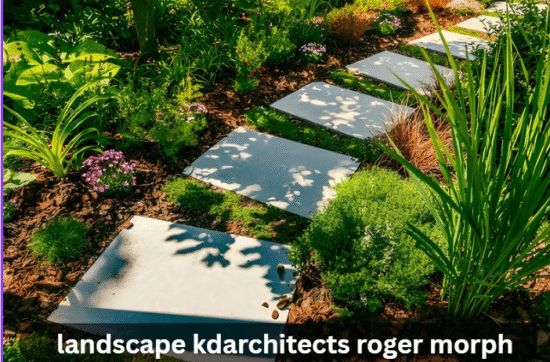
Hardscape is the bones of the yard. Patios, paths, and walls define the structure. Quality here matters most. Concrete, stone, and compacted gravel each work if built on a solid base. A poor base leads to cracks and shifts. A strong base keeps surfaces level for decades.
Natural stone ages well and adds character. Permeable pavers allow rain to soak in and reduce runoff. Gravel is flexible and low cost if edged well. Avoid cheap surfaces that fail quickly. Spending more on durable material saves money in the long term. This approach follows the life cycle principle of KDArchitects.
Water management and sustainable steps
Water is often the most costly part of landscape care. Good design captures rain and reduces waste. Steps include adding a rain barrel, directing roof runoff into a rain garden, and installing permeable paving.
Drip irrigation saves water compared to sprinklers. Mulch reduces evaporation and keeps roots cool. Using native plants also lowers water use. These sustainable moves are not just functional but part of the advancements immersive experience KDArchitects brings into its projects, making every design eco-friendly and user-centered.
Small yard solutions using kdarchitects landscape ideas by roger morph
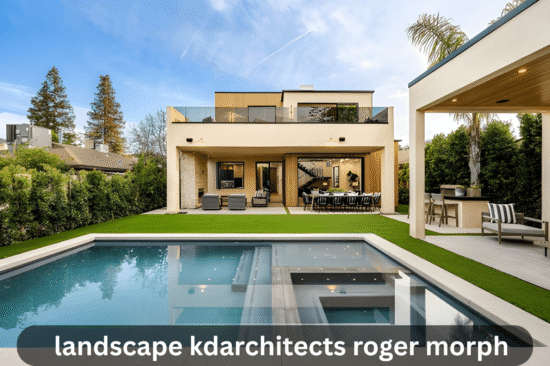
Not every homeowner has a large lot. Small yards benefit most from focus. Choose one main purpose and make it strong. A dining patio, a play corner, or a quiet reading spot all work. Use vertical planting or trellises to add green without using ground space.
Built-in seating saves room. Folding furniture adds flexibility. Use similar materials inside and out to make a small yard feel larger. Simple lighting along main paths makes even small yards usable at night. The secret is to keep things simple and let a single, powerful idea take center stage.
Scaling up large properties
Large sites need clear zones. Divide the land into rooms for dining, play, quiet, and work. Use alleys of trees, low walls, or hedges to connect zones. Meadows reduce mowing and support wildlife. Larger water features like ponds can collect rain for irrigation.
Frame views with focal points like specimen trees or small gardens. Long paths should reveal scenes step by step so walking feels natural. Breaking the site into human-scaled parts keeps it usable and reduces maintenance. This is how landscape kdarchitects roger morph scales to estates and big yards.
Budgeting, maintenance, and life cycle costs
Every design has costs beyond the first build. A cheap patio may need repair in five years. A quality stone patio can last thirty. Native plants reduce yearly care compared to thirsty lawns. Mulching cuts weeding and watering.
Ask for life cycle costs when you hire a designer. That shows long-term savings. Do earthwork and drainage first so you don’t redo planting later. Plan phases so each step adds to the last. Maintenance is easier when design choices reduce chores instead of adding them. This is the financial strength of sustainable and innovative KDArchitects.
Case study examples
One suburban home replaced a patchy lawn with a patio off the kitchen, native shrubs, and a rain garden. The yard became usable for meals and play. Costs dropped because irrigation was no longer needed. Another city project extended interior tile into a courtyard, making the living room feel larger. Small shifts made big differences in use.
These examples reflect the practical results of kdarchitects landscape ideas by roger morph, where design solutions blend function with beauty.
Hiring a designer or doing it yourself
If you hire, ask for a clear site plan, a plant list, and phased steps. Request life cycle costs, not just the install price. Look at photos of similar projects.
If you do it yourself, start with sight reading. Handle grading and drainage first. Build the hardscape next. Plant last. Use local plant lists from nurseries or extension services. Taking these steps in order prevents rework and waste.
For more details and portfolio examples, visit www. kdarchitects .net.
Final checklist and action plan
- Watch your site for sun, wind, and views.
- Pick one main outdoor use.
- Place the main room near daily movement.
- Choose plants by region and group by water needs.
- Invest in durable hardscape and proper drainage.
- Add water capture or a rain garden.
- As you discover what works, start small and grow.
These steps follow landscape kdarchitects roger morph. The result is a yard that fits daily life, looks natural, and costs less to keep—showcasing the strength of kdarchistyle architecture styles by kdarchitects.
Related Posts
10 Ways KDArchitects Roger Morph Transforms Landscape Architecture
Landscape architecture is a multi-layered field, as it is not…

Roger Morph Writer for KDArchitects: 6 Important Roles in Design Communication
Roger Morph Writer for KD Architects is about how writing…
Sustainable and Innovative KDArchitects
Every structure has a backstory. There are some tales of…